Decentralised Sportsbooks for NFL: How Web3 Betting Platforms Operate
 Available in US
I remember the first time I placed a bet through a smart contract — a 0.1 ETH wager on an NFL spread in late 2021 — and thinking the experience felt like using the internet in 1996: clunky, slow, but unmistakably pointing toward something bigger. The global crypto gambling market is projected to exceed $65 billion by 2026, and decentralised sportsbooks represent the most radical departure from the traditional model within that figure. They promise to eliminate the counterparty risk that haunts offshore betting — no house holding your funds, no operator who can vanish overnight. The reality, as I have learned across dozens of interactions with these platforms, is more complicated than the promise.
Custodial vs Non-Custodial: Where Your Funds Sit
Every conversation about decentralised sportsbooks starts here, and for good reason. At a traditional crypto sportsbook — even an offshore one — you deposit funds into the operator’s wallet. They hold your money. If they get hacked, go insolvent, or decide to exit-scam, your balance disappears with them. This custodial model is identical to a traditional bookmaker in every meaningful sense except the payment currency.
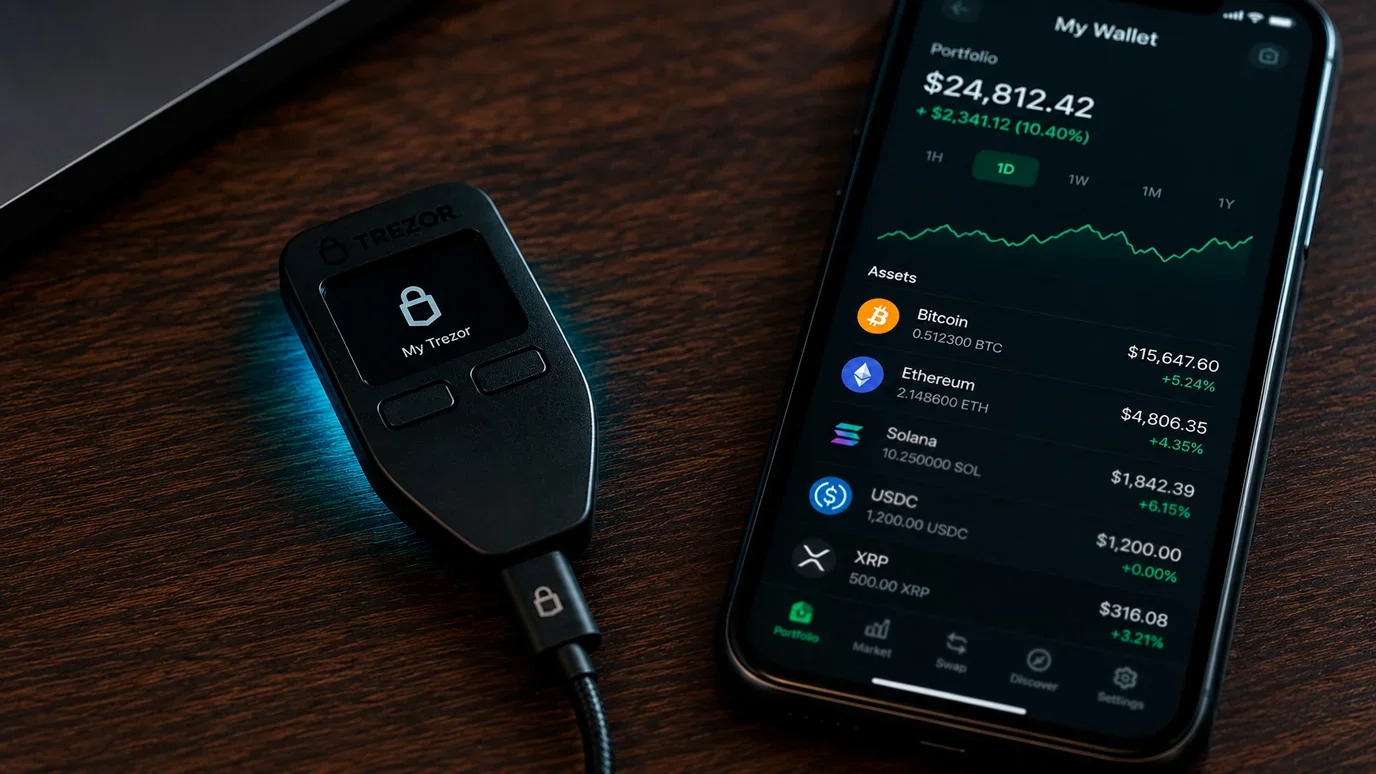
Non-custodial sportsbooks flip that arrangement. Your funds never leave your wallet until you commit them to a specific wager via a smart contract. The contract acts as an escrow: it holds your stake and the counterparty’s funds (whether that is a liquidity pool or another bettor) and releases them based on the verified game outcome. At no point does a centralised operator have withdrawal access to your money.
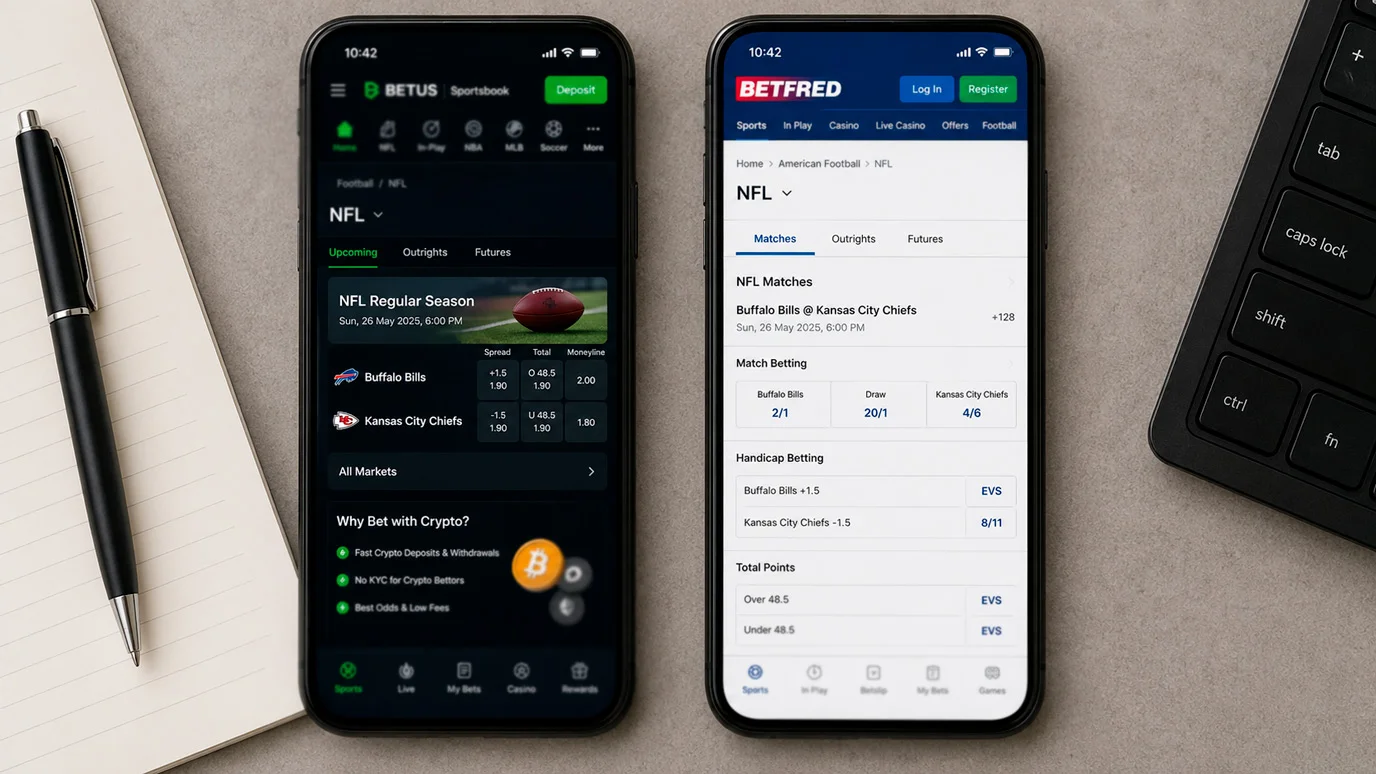
Crypto casinos now account for roughly 17% of all iGaming volume globally, but the decentralised slice of that is far smaller — my estimate puts it below 2% for sports betting specifically. The model is still early. User interfaces are basic compared to polished centralised platforms. Wallet connection replaces username-and-password login, which means managing MetaMask or a similar browser extension becomes part of the betting workflow. For UK bettors accustomed to the streamlined experience of a Bet365 or a William Hill app, the friction is immediately noticeable.
That friction has a flip side: sovereignty over your funds. I have personally experienced two situations where centralised crypto sportsbooks froze withdrawals — once during a “security audit” that lasted three weeks, and once when an operator restructured its licence and temporarily halted all UK-facing transactions. In both cases, a non-custodial model would have meant my funds were never at risk. The trade-off between convenience and control is real, and your answer depends on how much counterparty risk you are willing to accept.
How Smart Contracts Settle NFL Bets
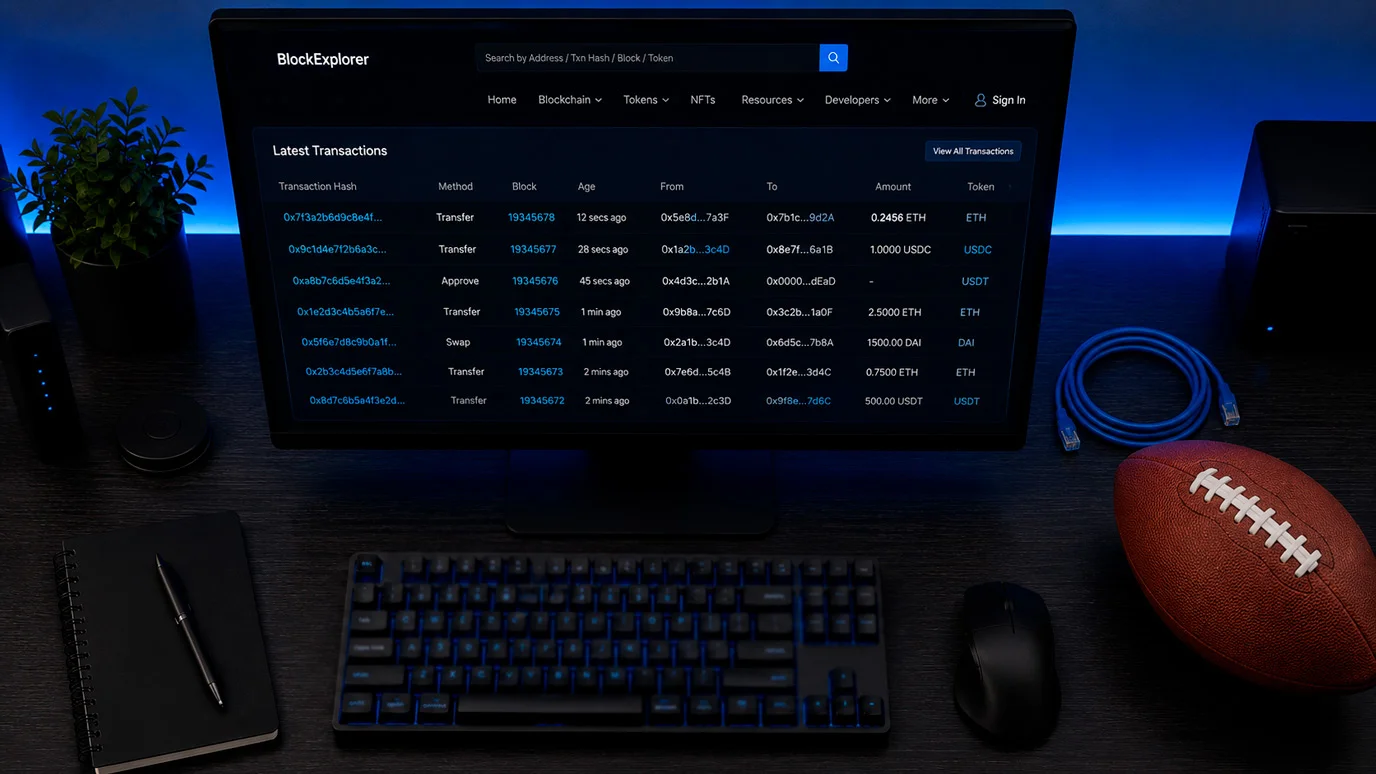
The settlement mechanic is where decentralised sportsbooks either shine or fall apart. A well-designed system works like this: you connect your wallet, browse available NFL markets, and select a wager. The smart contract takes your stake and matches it against available liquidity on the other side. Both sides’ funds are locked in the contract until the game concludes.
Settlement depends on an oracle — an external data service that feeds real-world results to the blockchain. For NFL games, this means the oracle reports the final score, and the smart contract compares it against the terms of your wager. If you bet the Chiefs -3.5 and they win by 7, the contract automatically releases the payout to your wallet. No human review, no manual grading, no waiting for a settlements team to process your ticket.
The oracle layer is the critical trust point. If the oracle reports an incorrect score — which has happened in edge cases involving delayed stat corrections or overtime rules — the smart contract settles incorrectly, and reversing it requires governance mechanisms that most platforms are still building. Provably fair verification can confirm that the contract executed its logic correctly, but it cannot fix a garbage-in problem at the oracle level.
Most decentralised sportsbooks use Chainlink or similar decentralised oracle networks that aggregate data from multiple sources to reduce single-point-of-failure risk. The aggregation model is more robust than a single data feed, but latency is higher. For pre-game NFL wagers this delay is irrelevant — the contract settles after the final whistle, and a few extra minutes do not matter. For live betting, the latency creates problems I will address in a moment.
Liquidity Pools, Market Depth, and Current Limitations
Liquidity is the constraint that keeps decentralised sportsbooks niche. At a centralised sportsbook, the house takes the other side of your bet, backed by the operator’s bankroll and risk management team. At a decentralised platform, liquidity comes from users who deposit funds into pools that effectively act as the house. These liquidity providers earn a share of the platform’s edge in exchange for taking on the risk of bettor wins.
The problem is scale. Crypto betting wagers have grown by 83.6% since mid-2022, but that growth has concentrated in centralised platforms with deep war chests. Decentralised pools for NFL markets remain thin by comparison. I have tried to place wagers above $1,000 on prime-time NFL spreads at decentralised platforms and hit pool limits — the contract simply does not have enough liquidity on the other side to accept the bet. For casual bettors placing smaller stakes this is not an issue, but it is a hard ceiling for anyone operating at meaningful volume.
Market depth is related but distinct. A centralised sportsbook might offer 200+ markets on a single NFL game: moneylines, spreads, totals, player props, quarter lines, drive props. Decentralised platforms typically offer a fraction of that — sometimes just moneyline and spread — because each additional market requires its own liquidity pool. The economics of fragmenting capital across dozens of props do not work yet, which is why decentralised NFL betting remains concentrated on the most liquid, simplest markets.
Smart contract risk is the other dimension. Every smart contract is code, and code has bugs. Decentralised sportsbooks have suffered exploits — flash loan attacks, oracle manipulation, logic errors in settlement code — that resulted in user fund losses. Reputable platforms undergo third-party audits, but audits reduce risk rather than eliminate it. Before committing funds to a smart contract, I check the audit history, look for a bug bounty programme, and verify that the contract code is open-source and has been reviewed by the community. These steps do not guarantee safety, but they filter out the lowest-quality operators.
The trajectory points toward improvement. Layer 2 scaling solutions are reducing transaction costs, making smaller wagers economically viable on-chain. Cross-chain bridges are beginning to connect liquidity across networks. And the user experience is iterating toward something that casual bettors might actually find usable. But as of 2026, decentralised NFL sportsbooks remain a tool for technically confident bettors who value fund sovereignty over convenience — and who are comfortable with the limitations that come with cutting-edge infrastructure.
What happens to my funds if a decentralised sportsbook’s smart contract has a bug?
Smart contract bugs can result in locked or lost funds if the code is exploited. Reputable decentralised platforms mitigate this through third-party security audits, bug bounty programmes, and open-source code review. However, unlike centralised platforms, there is typically no customer support team to intervene manually. Checking audit reports and community review history before depositing is essential.
Do decentralised sportsbooks offer the same NFL markets as traditional crypto bookmakers?
Not yet. Decentralised platforms typically offer core markets — moneyline, point spread, and totals — but lack the depth of player props, quarter lines, and exotic markets available at centralised crypto sportsbooks. Each additional market requires its own liquidity pool, and capital fragmentation limits how many markets a decentralised platform can support efficiently.
Find the best options for crypto nfl betting.
Read our detailed review of Ethereum NFL Betting: Smart Contract Integration and Practical Deposit Guide.
Prepared by the Crypto nfl Betting editorial staff.