Crypto Sportsbook Odds Comparison: How NFL Lines Differ Across Platforms
 Available in US
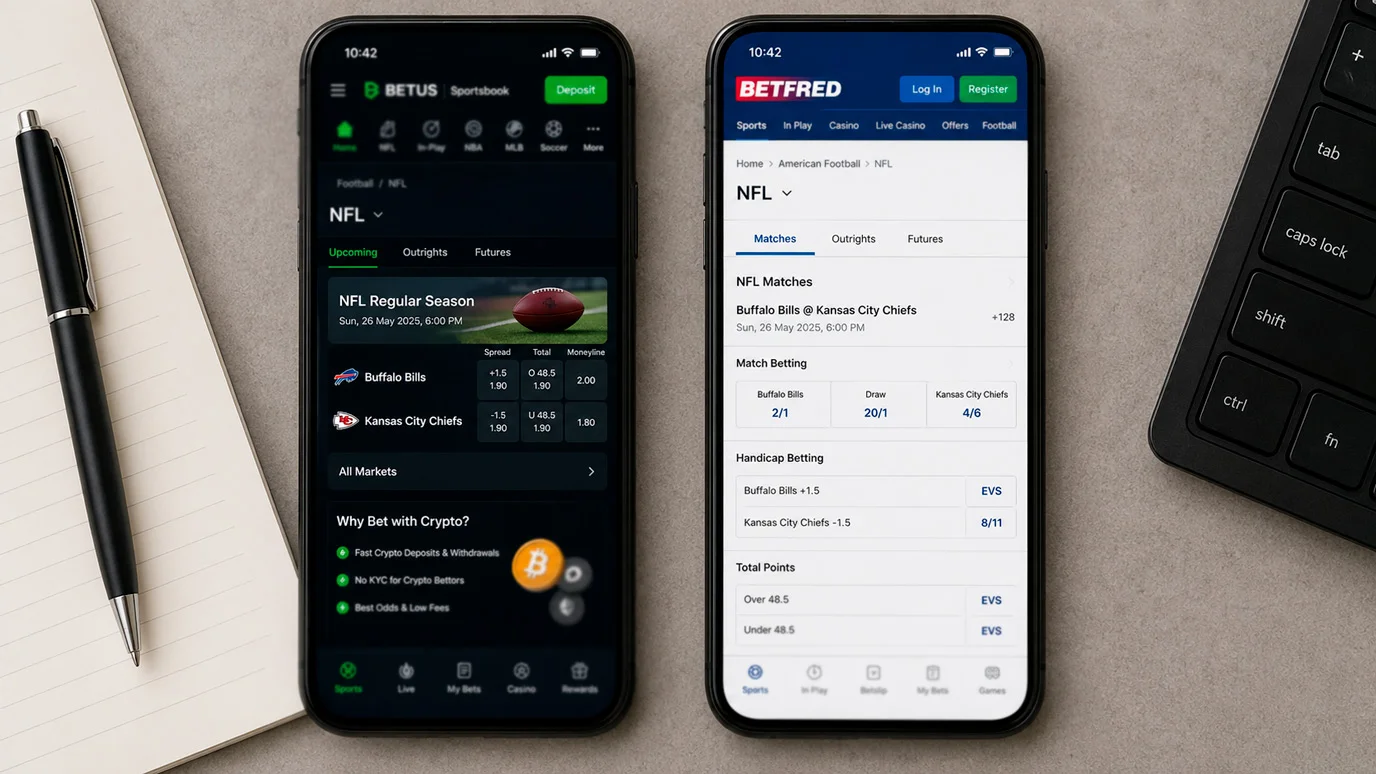
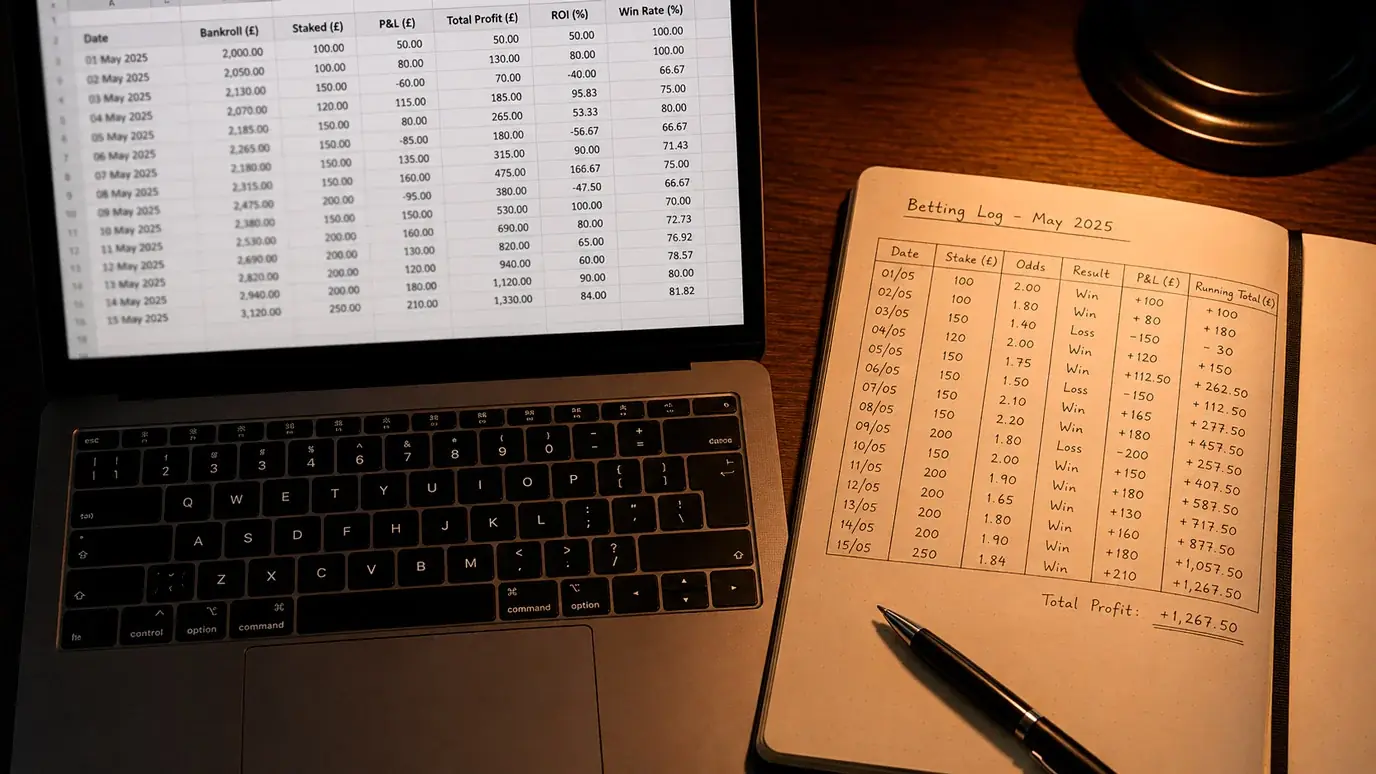
I keep a spreadsheet. Every Wednesday during NFL season, I log the opening point spread, moneyline, and total for each Sunday game at four different crypto sportsbooks plus two UKGC-licensed operators. The variance surprises people who assume “the odds are the odds.” They are not. On a given NFL spread, I regularly find half-point differences between platforms, and on moneylines for non-marquee games, the gaps can exceed 10% in implied probability. Over a full season, those differences are the margin between a profitable bettor and a losing one — and crypto sportsbooks occupy a particular niche in that landscape.
Why NFL Odds Vary Between Crypto Sportsbooks
Odds at any sportsbook reflect two things: the platform’s assessment of the true probability of each outcome, and the margin (vig or juice) the operator adds to ensure a profit. Traditional sportsbooks with large data science teams and years of NFL modelling history tend to produce tight, efficient lines. Newer crypto sportsbooks, some of which launched with small risk management teams and limited historical modelling infrastructure, can produce lines that deviate from the market consensus.
Market maturity is one factor. Roughly 40% of online sportsbook platforms now accept crypto, but many entered the market in the past two to three years. Their NFL pricing engines are less sophisticated than those at established operators, which creates intermittent value for bettors who track lines across platforms. A crypto sportsbook that sets a line at Chiefs -3 when the consensus market sits at Chiefs -3.5 has either made a deliberate pricing decision or an error — either way, the bettor benefits from the discrepancy.
Liquidity imbalances drive line movement differently at crypto platforms. If a crypto sportsbook’s NFL market receives heavily one-sided action — say, 80% of bets on one side of a spread — the operator will move the line to attract money on the other side. At a large-volume fiat sportsbook, it takes substantial money to move a line. At a lower-volume crypto platform, a single large Bitcoin wager can shift the spread by half a point. That movement creates brief windows where the un-shifted line at a competing platform offers better value.
Vig differences are equally important. The standard NFL spread vig at US-regulated sportsbooks is -110 on each side, representing a 4.5% theoretical hold. Some crypto sportsbooks operate with reduced vig — -105 or even -103 on spreads — to attract volume. Others apply higher juice, particularly on less liquid markets like NFL player props. The difference between -110 and -105 on a spread bet translates to roughly $2.50 per $100 wagered. Over hundreds of bets across a season, that is real money.
Comparing Crypto vs UKGC-Licensed NFL Lines
UKGC-licensed bookmakers and offshore crypto sportsbooks source their odds from overlapping but not identical pools of information. The major UK operators — those with Gambling Commission licences and established US data partnerships — post NFL lines that track closely with the Las Vegas consensus market. Their pricing reflects the sharpest money in the world.
Crypto sportsbooks operate in a parallel market. Some purchase odds feeds from the same providers used by licensed operators. Others set lines independently, creating deviations that persist longer because the crypto market lacks the arbitrage infrastructure that quickly equalises prices across regulated platforms. In the licensed market, professional arbitrage firms instantly exploit price discrepancies. In the crypto market, operational friction — wallet transfers, confirmation times, withdrawal delays — slows arbitrage enough that mispricings survive for hours rather than minutes.
For UK bettors, the practical takeaway is that checking both ecosystems before placing an NFL wager is worth the extra minutes. A licensed UK bookmaker might offer a tighter spread on a high-profile game where their pricing engine has the most data, while a crypto sportsbook might offer better value on a Thursday night game between lower-profile teams where the crypto platform’s line-setter has made a less efficient assessment. The NFL season’s variety of bet types means these discrepancies appear across spreads, totals, and props with varying frequency.
How to Build an Odds Comparison Routine
The bettors who extract value from line shopping treat it as a process, not a one-time check. My routine: Wednesday evening, log opening lines at my tracked sportsbooks. Thursday morning, check for line movement. Friday, re-check and identify my target games. Saturday, final check before locking in Sunday wagers. This cadence catches early discrepancies when lines first post and late discrepancies that emerge after injury reports and weather updates shift the market unevenly.
Dedicated odds comparison tools exist for the regulated market but are less comprehensive for crypto sportsbooks. Most crypto-specific comparison sites cover a limited selection of platforms and update less frequently than their fiat-market counterparts. Manual tracking — yes, my Wednesday spreadsheet — remains the most reliable method for identifying genuine discrepancies at crypto operators. It is more work than using a comparison tool, but the data is more accurate and covers platforms that third-party tools miss.
The American football betting market’s expansion to $9.5 billion in 2026 has increased the number of platforms offering NFL odds, which in turn has increased the frequency of meaningful line discrepancies. More sportsbooks competing for the same bettor pool means more pricing diversity, and pricing diversity is the raw material of line-shopping profit. A decade ago, comparing three bookmakers covered the accessible market. Today, a UK bettor with accounts at two licensed operators and three crypto sportsbooks has five pricing sources — enough to find value on most NFL game weeks.
One caution: do not chase tiny discrepancies across platforms if the operational cost outweighs the edge. Transferring crypto between sportsbooks to capture a 0.5% odds improvement costs network fees and introduces withdrawal delays. The line improvement needs to justify those costs. For a $500 wager, a move from -110 to -105 saves roughly $12 — worthwhile if the transfer costs $1 on TRC-20, less so if it costs $10 on congested Ethereum mainnet. Efficiency in line shopping means matching the size of the edge to the size of the operational friction.
Are crypto sportsbook odds better or worse than traditional bookmakers for NFL?
Neither categorically. Crypto sportsbooks sometimes offer better odds through reduced vig or less efficient pricing, particularly on lower-profile games. Traditional UKGC-licensed bookmakers often have tighter, more efficient lines on high-profile matchups. The best approach is checking both ecosystems to find the most favourable price for each specific wager.
How much difference do NFL odds really make between sportsbooks?
Half-point spread differences and 5-10% moneyline variations are common between platforms. Over a full NFL season of regular betting, these differences can represent 2-5% of total volume — the margin between a profitable and a losing season for many bettors. Line shopping across multiple sportsbooks is one of the simplest edge-building habits available.
Discover everything about crypto nfl betting here.
Check out our guide on Crypto NFL Live Betting Strategy: In-Play Tactics That Work as well.
Published by the Crypto nfl Betting team.