Mobile Crypto NFL Betting: Apps, Wallet Integration, and the UK Experience
 Available in US
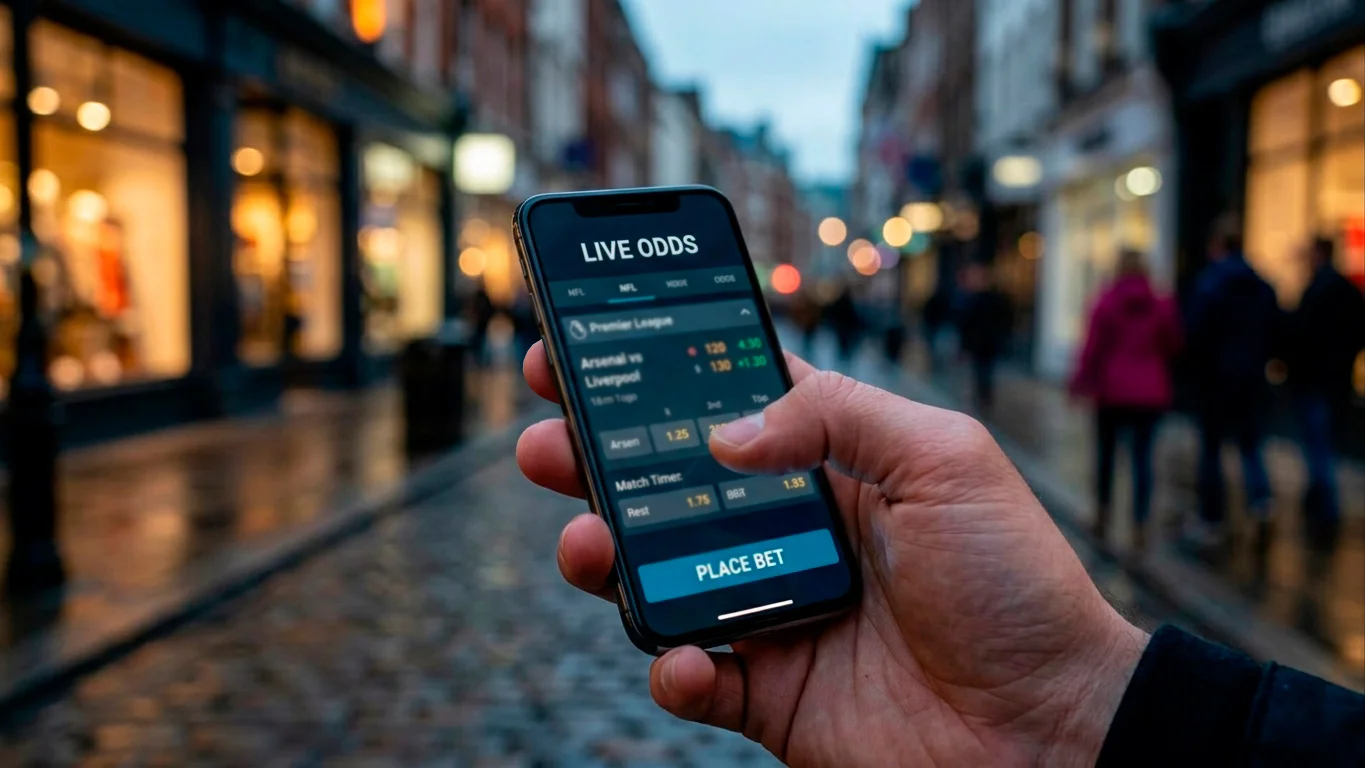
I placed my first mobile crypto bet on an NFL game while standing in a queue at Tesco. That image — a grown adult sending USDT from a phone wallet to an offshore sportsbook while waiting to buy milk — captures something essential about where crypto sports betting sits in 2026. Mobile devices generate 80% of all online wagers, and for UK bettors following the NFL across time zones that stretch from Sunday afternoon to the early hours of Tuesday morning, the phone is not just a convenience. It is the primary interface for the entire betting experience.
The intersection of mobile technology, cryptocurrency wallets, and offshore sportsbook apps creates a user experience that ranges from seamlessly intuitive to infuriatingly clunky. After testing mobile crypto betting workflows across a dozen platforms and three full NFL seasons, I can map the landscape with some precision.
The Mobile Wagering Landscape and Where Crypto Fits
That 80% mobile wagering figure is not a projection — it reflects current behaviour across the online betting industry. For crypto sportsbooks specifically, the ratio is at least as high, and among younger demographics it skews even further toward mobile. The 15% of UK adults aged 18 to 34 who own cryptoassets overwhelmingly manage those assets through mobile wallets, and the path from mobile wallet to mobile sportsbook is shorter than at any point in the market’s history.
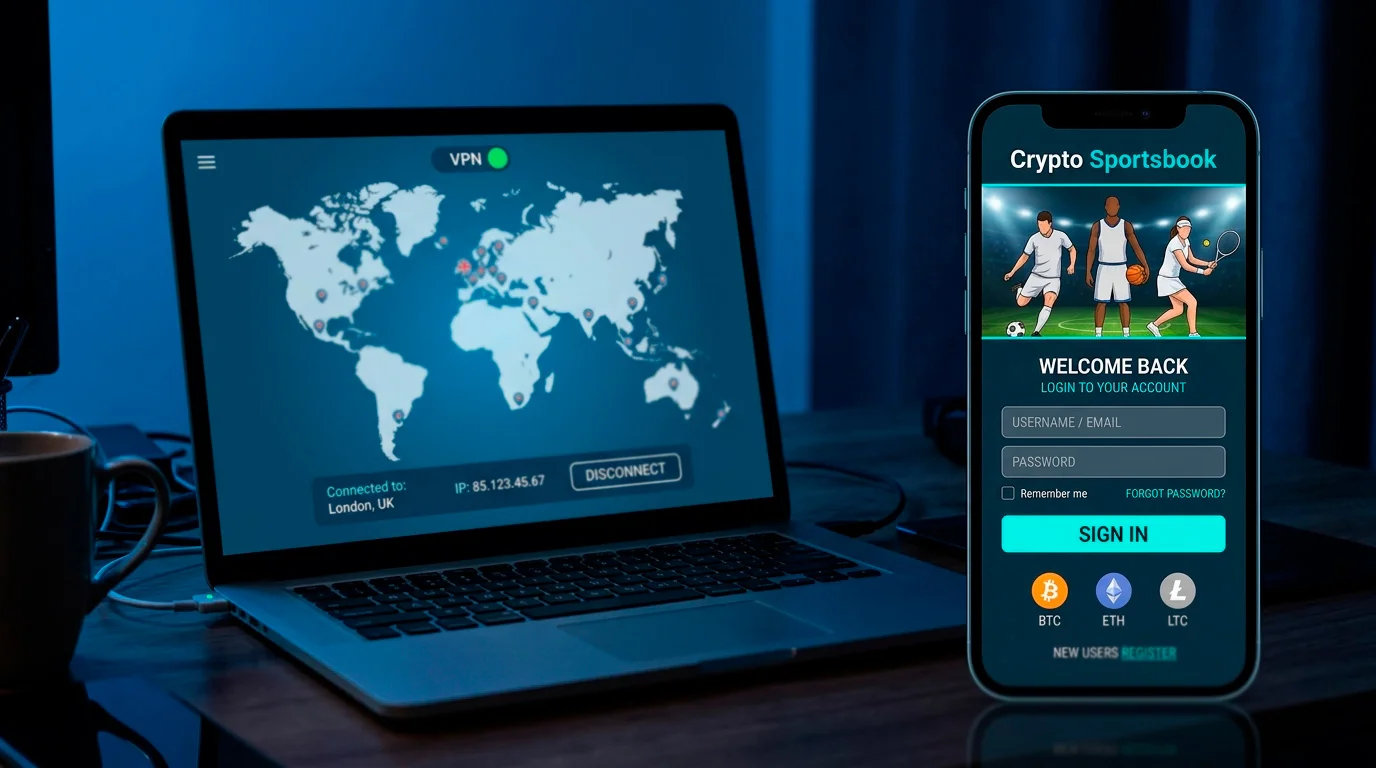
Traditional UK bookmakers have spent years refining their mobile apps into polished products. The result is a standard that crypto sportsbooks are still catching up to. At a licensed UK operator, the mobile experience includes biometric login, instant deposit via Apple Pay or Google Pay, a smooth bet slip interface, and live streaming integrated directly into the in-play markets. At most crypto sportsbooks, the mobile experience involves a responsive web app (not a native app), a deposit process that requires switching between the sportsbook browser and a separate wallet app, and live betting interfaces that were clearly designed for desktop first.
The gap is narrowing. The larger crypto sportsbooks have invested significantly in mobile-first design over the past two years, and the best of them now offer experiences that rival mid-tier licensed operators. But the deposit workflow remains fundamentally different from fiat betting, and that difference shapes the entire mobile crypto betting experience.
Wallet Integration: The Mobile Deposit Workflow
Here is what a mobile crypto deposit actually looks like in practice, step by step. You open the sportsbook’s mobile site or app. Navigate to the deposit page. Select your cryptocurrency and network — say, USDT on TRC-20. The sportsbook generates a deposit address, which appears as both a text string and a QR code. You switch to your mobile wallet app — MetaMask, Trust Wallet, Coinbase Wallet, or a dedicated app like the Tron-native wallets for TRC-20. Paste or scan the address. Enter the amount. Confirm the transaction. Switch back to the sportsbook. Wait for the balance to update.
That workflow involves at minimum two app switches and five to eight taps, which compares unfavourably to the “tap deposit, tap Apple Pay, done” flow at a fiat sportsbook. The friction is real, and during time-sensitive moments — a line is about to move, a game is about to kick off — those extra steps feel like an eternity. I have missed betting windows because the wallet app needed to load, or because the sportsbook’s QR code did not render properly on a smaller phone screen, or because a fingerprint authentication prompt on the wallet app failed on the first attempt.
Some crypto sportsbooks have addressed this by supporting WalletConnect, a protocol that lets you authorise transactions directly from the sportsbook interface without switching apps. You connect your wallet once, and subsequent deposits authenticate through a pop-up notification on your wallet app. The experience is noticeably smoother, though it requires the sportsbook and the wallet to both support the protocol. As of 2026, WalletConnect integration is available at a growing number of platforms but is far from universal.
The Lightning Network adds another mobile option for Bitcoin. Wallet apps like Phoenix and Breez generate Lightning invoices that settle in seconds, making mobile Bitcoin deposits functionally instant. The catch is that both your wallet and the sportsbook must support Lightning, and the mobile UX for scanning Lightning invoices varies in quality. At its best, the flow is as fast as any payment method. At its worst, it involves copying a long invoice string between apps while squinting at your phone.
Native Apps vs Browser-Based Betting
Most crypto sportsbooks do not offer native iOS or Android apps. Apple’s App Store policies and Google Play’s gambling restrictions make it difficult for offshore operators to distribute native apps through official channels. The result is that most mobile crypto betting happens through the phone’s browser — Safari on iPhone, Chrome on Android — accessing the sportsbook’s responsive website.
Browser-based betting works adequately for pre-game wagers where speed is not critical. For live NFL betting, the limitations become apparent. Browser tabs compete for memory, push notifications from other apps interrupt the betting flow, and the absence of a dedicated app means no background processes keeping your session alive. I have had browser sessions timeout during halftime of a game, requiring a full re-login before I could place a second-half wager.
The workaround that serious mobile crypto bettors use: add the sportsbook to your phone’s home screen as a Progressive Web App. On iOS, tap the share button in Safari and select “Add to Home Screen.” On Android, Chrome offers a similar option. The PWA runs in a dedicated window without browser chrome, remembers your login session more reliably, and feels closer to a native app without requiring an app store download. Not every sportsbook supports PWA functionality well, but those that do offer a meaningfully better mobile experience.
A small number of crypto sportsbooks distribute native Android APK files directly from their websites, bypassing Google Play entirely. Installing these requires enabling “Unknown Sources” in your phone’s settings, which carries its own security implications. I only install APKs from sportsbooks where I have verified the download link through multiple independent sources. The risk of downloading a malicious APK that mimics a legitimate sportsbook — capturing your login credentials and wallet permissions — is non-trivial in the offshore gambling space.
UK-Specific Considerations for Mobile Crypto NFL Betting
NFL kick-off times dictate the mobile betting experience for UK users in ways that American bettors do not encounter. The Sunday early window at 6pm GMT is prime mobile territory — bettors are commuting home, socialising, or settling in for an evening of football. The late window at 9:25pm and Sunday Night Football at 1:20am push into hours where mobile is the only practical interface because you are in bed, on the sofa, or watching on a second screen while the household sleeps.
Network connectivity during these windows matters. Mobile data during a Sunday evening in a UK city is reliable; mobile data in a rural area or during a crowded public event is not. Crypto transactions that depend on a stable internet connection — particularly wallet authorisations that timeout if the connection drops — are more vulnerable to mobile network variability than a simple card deposit at a fiat sportsbook. Pre-funding your balance before the games start eliminates this risk entirely, and I treat it as a mandatory step rather than a recommendation.
Battery management is a mundane but real concern for bettors following multiple NFL games on mobile across a six-hour Sunday window. Running a sportsbook interface alongside a streaming app, a stats tracker, and a crypto wallet app drains a phone battery aggressively. I keep a portable charger within reach on NFL Sundays — a small investment that has prevented at least one missed live bet that I can recall, when my phone died at 12% during a fourth-quarter drive.
The crypto betting wager volume has grown by 83.6% since mid-2022, and mobile is where that growth concentrates. The platforms investing in mobile-first design, wallet integration, and UK-timezone-aware features will capture the largest share of NFL betting activity from British users. The ones still treating mobile as a scaled-down desktop experience will fall behind — not because the odds are worse, but because the experience does not match how people actually bet in 2026.
Do crypto sportsbooks have dedicated mobile apps for NFL betting?
Most crypto sportsbooks do not offer native iOS or Android apps due to app store restrictions on offshore gambling. Instead, they provide responsive mobile websites accessed through your phone’s browser. For a better experience, add the sportsbook to your home screen as a Progressive Web App. Some Android sportsbooks offer direct APK downloads, but verify the source carefully before installing.
Can I connect my crypto wallet directly to a mobile sportsbook?
Some crypto sportsbooks support WalletConnect, which allows you to authorise deposits directly from the sportsbook interface through a notification on your wallet app. Without WalletConnect, the process involves switching between the sportsbook and your wallet app to copy addresses and confirm transactions. Lightning Network wallets also enable near-instant mobile Bitcoin deposits at supporting platforms.
Discover everything about crypto nfl betting here.
Check out our guide on NFL Bet Types at Crypto Sportsbooks: Spreads, Props, Futures, and More as well.
Prepared by the Crypto nfl Betting editorial staff.