GamStop and Crypto Betting Sites: Why Self-Exclusion Does Not Apply Offshore
 Available in US
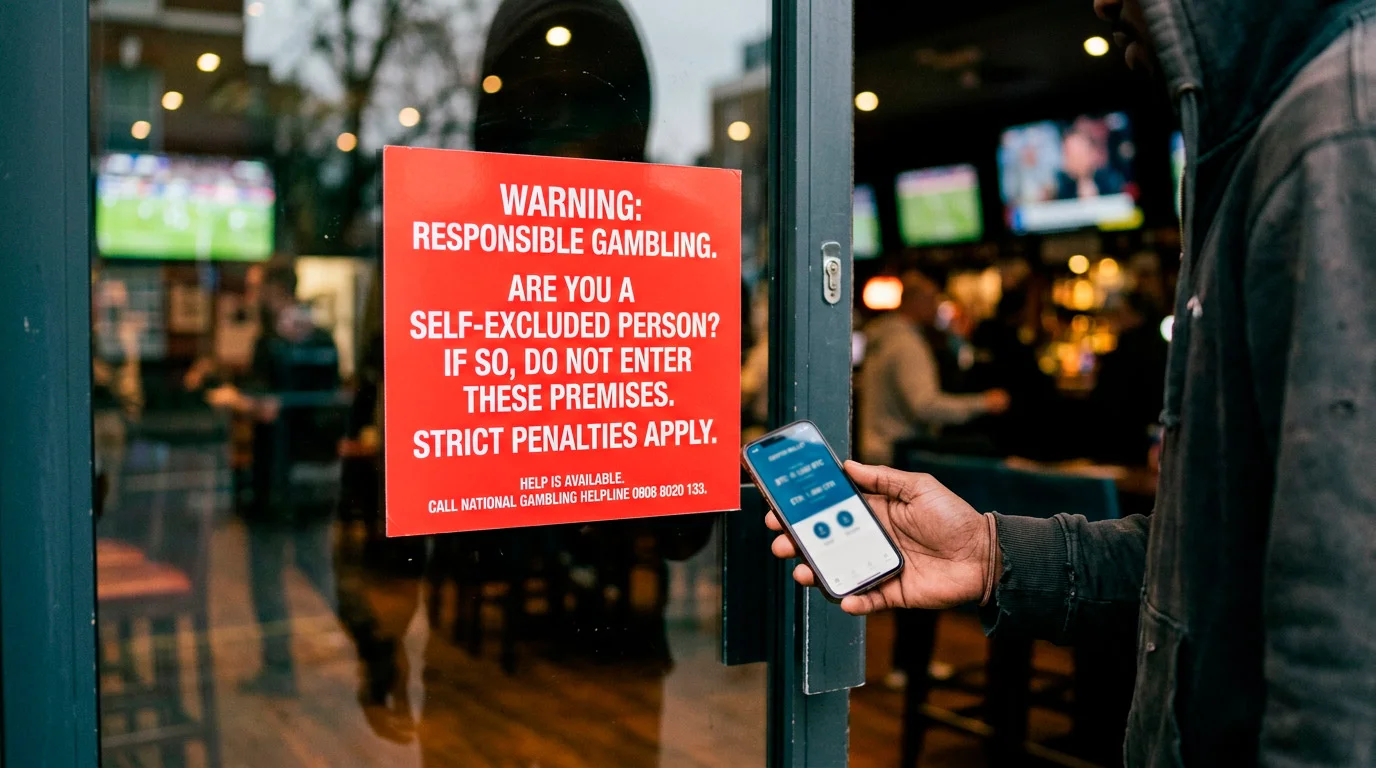
A colleague once described GamStop to me as “a lock on the front door while the back door stands wide open.” Harsh, but not inaccurate. GamStop is the UK’s national self-exclusion scheme — a voluntary register that blocks you from all UKGC-licensed gambling sites for a minimum of six months. It is an important tool for people managing problem gambling, and it works exactly as designed within its jurisdiction. The problem is that crypto sportsbooks — the offshore platforms where most cryptocurrency NFL betting takes place — sit entirely outside that jurisdiction. For UK bettors relying on GamStop as a safety net, this gap is not a technicality. It is a structural failure in consumer protection.
How GamStop Works for UK-Licensed Operators
GamStop’s mechanism is straightforward. You register on the GamStop website with your personal details — name, date of birth, email, address. Every UKGC-licensed operator is legally required to check new registrations and active accounts against the GamStop database. If you are on the register, you cannot open a new account, place a bet, or deposit funds at any licensed UK gambling site. The system covers online operators, including major sportsbooks, casinos, and bingo sites that hold a UKGC licence.
Roughly 10% of the UK population actively participates in online sports betting, and 47% engages in some form of gambling. Those figures represent millions of people, and for the subset struggling with compulsive behaviour, GamStop provides a friction barrier that can be genuinely effective. The scheme has been in place since 2018 and covers the entire licensed market.
The key phrase is “licensed market.” GamStop’s authority extends exactly as far as the UKGC’s licensing power, and not one inch further. Any operator without a UKGC licence has no obligation to check the register, no technical integration with the database, and no consequence for accepting a GamStop-registered player. This is where the structural gap begins.
Why Crypto Sportsbooks Sit Outside GamStop
No UKGC-licensed operator currently accepts cryptocurrency deposits. The Gambling Commission has been exploring the question — its Industry Forum is actively researching a potential path forward — but as of 2026, the regulatory position remains that crypto is not an approved payment method under UKGC licensing conditions. This means every crypto sportsbook serving UK bettors operates under an offshore licence: Curaçao, Malta Gaming Authority, Kahnawake, or sometimes no licence at all.
Offshore operators have no relationship with GamStop. They do not query the database, they do not share data with UKGC-licensed platforms, and they face no penalty for accepting excluded players. The practical result is stark: a UK bettor who registers with GamStop to control their gambling can sign up at a crypto sportsbook within minutes, using nothing more than a wallet address and a username. The barrier that GamStop creates at licensed sites does not exist at offshore crypto platforms.
The scale of this gap is captured in the numbers. An estimated 1.5 million people in the UK place roughly 10 billion pounds annually on unlicensed sites. The unlicensed market’s share has grown from 0.5% of total turnover to 10-12% in five years, and illegal gambling revenue reached 379 million pounds in the first half of 2025 alone. The government has responded with a 26 million pound Illegal Gambling Taskforce, but enforcement against offshore operators is slow and jurisdictionally complex.
For someone who registered with GamStop specifically because they recognised a problem with their own gambling behaviour, the availability of frictionless crypto alternatives is not an abstract policy issue. It is an immediate, personal risk. I have heard from bettors who excluded themselves from UK-licensed sites only to find themselves depositing Bitcoin at an offshore book within days. GamStop removed the temptation from one channel; crypto opened another.
Alternative Self-Exclusion and Harm-Reduction Tools
Given that GamStop does not cover offshore crypto platforms, what options exist? The answer is less satisfying than it should be, but there are measures worth knowing about.
Some crypto sportsbooks offer their own internal self-exclusion features — account-level cooling-off periods, deposit limits, or voluntary account closure. The quality and enforcement of these tools varies wildly. At the better-run platforms, a self-exclusion request genuinely locks the account for the specified period, and the operator will not reverse it early. At others, I have seen “self-exclusion” settings that can be toggled off with a single click after a 24-hour wait. That is not a safety mechanism; it is a checkbox exercise.
Gambling Commission CEO Andrew Rhodes has signalled a harder enforcement stance, stating that there would be “no warnings” for operators violating standards and confirming nine licence suspensions in recent weeks. That pressure applies to UKGC-licensed operators, but it reflects a broader regulatory mood that may eventually extend to how UK authorities approach the offshore crypto market — particularly around vulnerable consumers.
Third-party blocking software offers another layer. Tools like Gamban, BetBlocker, and network-level content filters can block access to gambling domains including offshore crypto sportsbooks. These are not perfect — determined users can circumvent them through VPNs or alternative devices — but they add friction, and in harm reduction, friction saves lives. BetBlocker is free and covers a wide range of devices; Gamban charges a small annual subscription but maintains a more aggressively updated blocklist that specifically targets newer crypto gambling domains.
Wallet-level controls are an emerging concept but not widely implemented. Some crypto wallet providers have begun exploring optional settings that flag or block transactions to known gambling addresses. The technology is nascent and raises its own privacy questions, but it represents a direction that could eventually fill part of the GamStop gap for crypto users who want a self-imposed barrier.
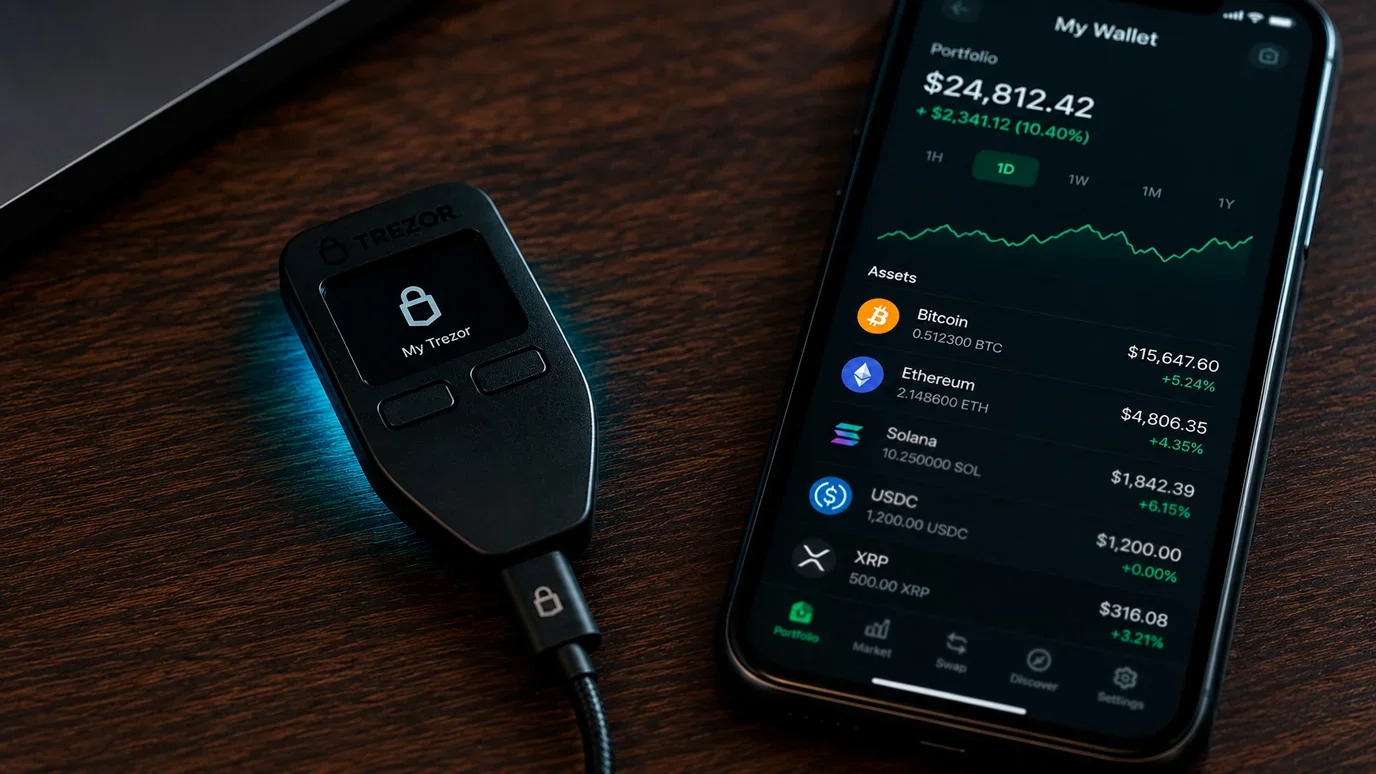
At the individual level, the most effective tool remains separating your gambling funds from your everyday finances. If you hold cryptocurrency and are concerned about impulsive betting, keeping your crypto in a hardware wallet with a complex access process creates deliberate friction. It is not a systemic solution — it requires personal discipline — but it mirrors the principle behind broader risk mitigation strategies that serious bettors should be practising regardless.
The gap between GamStop’s reach and the crypto betting market is, ultimately, a problem that regulatory innovation needs to solve. A framework that brings crypto operators under UKGC oversight — or creates an equivalent self-exclusion mechanism for offshore platforms — would close the most dangerous vulnerability in the current system. Until that happens, the responsibility falls on individual bettors to build their own safeguards, imperfect as they may be.
Can I register with GamStop to block access to offshore crypto sportsbooks?
No. GamStop only covers operators holding a UK Gambling Commission licence. No UKGC-licensed operator currently accepts cryptocurrency, so all crypto sportsbooks operate offshore and are not connected to the GamStop database. Registering with GamStop will block you from licensed UK gambling sites but will not prevent you from accessing offshore crypto platforms.
Do any crypto betting sites offer their own self-exclusion programmes?
Some crypto sportsbooks provide internal self-exclusion features including account cooling-off periods, deposit limits, and voluntary closures. The quality varies significantly between platforms. For additional protection, third-party blocking tools like Gamban and BetBlocker can restrict access to gambling sites including offshore crypto sportsbooks across multiple devices.
Discover everything about crypto nfl betting here.
Check out our guide on Lightning Network Sportsbooks: Instant Bitcoin Deposits for NFL Betting as well.
Published by the Crypto nfl Betting team.