Anonymous NFL Betting with Crypto: No-KYC Platforms and UK Realities
 Available in US
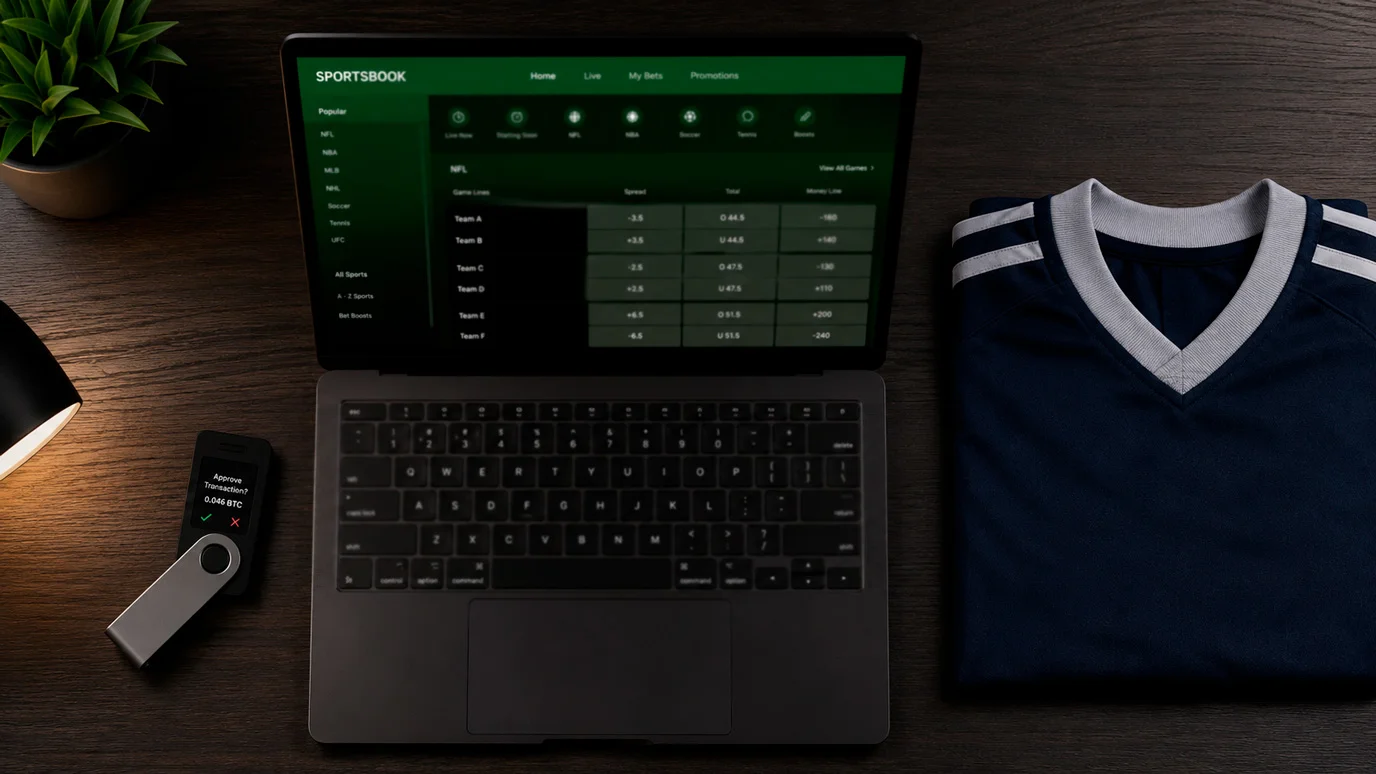
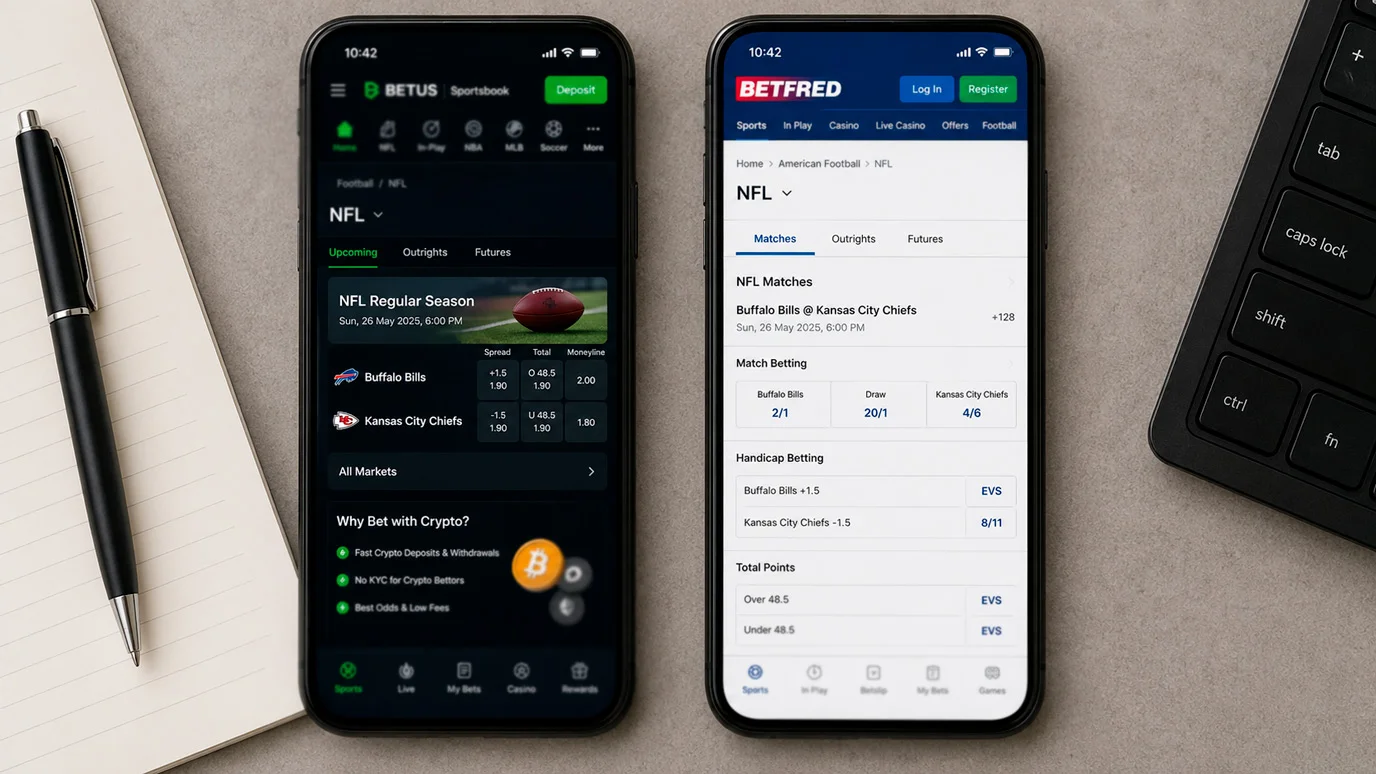
The appeal is obvious. Connect a wallet, deposit crypto, bet on the NFL — no passport scans, no utility bills, no waiting three days for an identity check. No-KYC crypto sportsbooks have built their entire value proposition around that friction-free experience, and it resonates with a particular subset of bettors. But after nearly a decade analysing the intersection of crypto payments and sports wagering, I can tell you the reality is considerably more nuanced than the marketing suggests — especially if you hold a UK address.
“Crypto” is one of the two most common search terms directing British consumers to unlicensed gambling sites, according to UK Gambling Commission Executive Director Tim Miller. That single data point tells you everything about the overlap between anonymity-seeking bettors and the offshore ecosystem. This article unpacks how no-KYC platforms actually work, where the line sits between pseudonymity and true anonymity, and what UK residents need to understand before they connect their wallet.
How No-KYC Crypto Sportsbooks Operate
I signed up to my first no-KYC sportsbook in 2019 to understand the model from the inside, and the entire process took under 90 seconds. No email required. No name, no date of birth, no address. Just a username, a password, and a deposit address. That simplicity is by design — these platforms are architected to hold as little user data as possible, partly as a selling point and partly to reduce their own legal exposure.
The operational model works like this: the sportsbook generates a unique wallet address for each user session or account. You send Bitcoin, Ethereum, USDT, or whatever the platform supports. Once confirmations clear, the funds appear as a balance denominated in the deposited currency or converted to an internal unit. Wagers settle against that balance. When you want to withdraw, you provide an external wallet address, and the sportsbook sends the funds.
Roughly 40% of online sportsbook platforms now accept cryptocurrency deposits, and a significant portion of those — particularly the newer entrants — operate without mandatory identity verification. They are typically licensed in jurisdictions like Curaçao, where KYC requirements exist on paper but enforcement is inconsistent. Some platforms claim to operate with no licence at all, positioning themselves as “decentralised” or “community-owned.”
The absence of KYC does not mean the absence of all checks. Most no-KYC sportsbooks implement withdrawal thresholds — deposit and bet freely, but attempt to withdraw above a certain limit and the platform may request documentation. I have hit that wall myself at around 2 BTC on one platform. The threshold varies, and it is rarely disclosed upfront, which creates an unpleasant surprise for bettors who assumed they would never be asked for identification.
Pseudonymous vs Truly Anonymous: A Technical Distinction
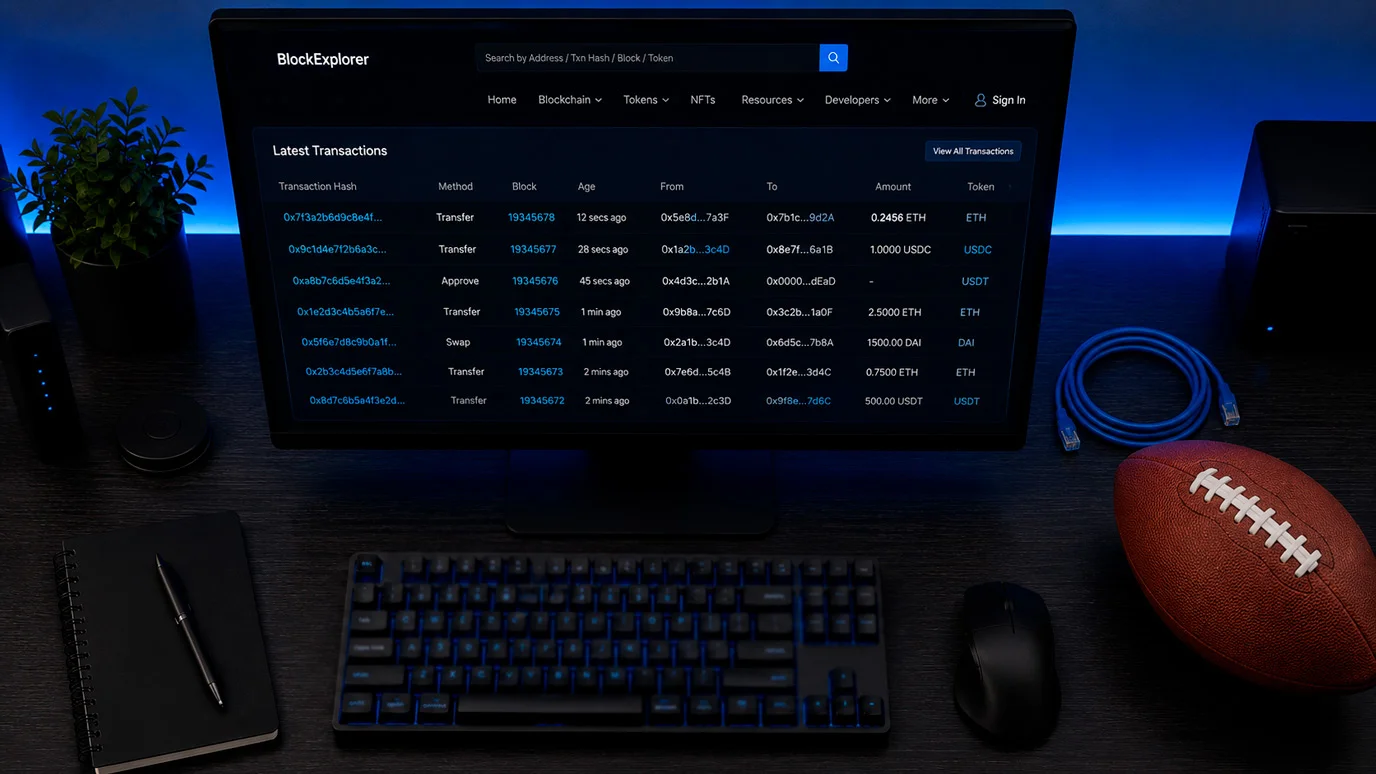
Here is where most coverage of anonymous betting gets sloppy. Bitcoin is pseudonymous, not anonymous. Every transaction is recorded on a public ledger. If your wallet address can be linked to your identity — through an exchange where you completed KYC, through a peer-to-peer purchase that involved a bank transfer, through blockchain analysis — then every wager you have ever placed through that address becomes traceable.
True anonymity in crypto betting requires operational discipline that most casual bettors do not practise. It means acquiring cryptocurrency without identity verification (increasingly difficult in the UK since the FCA tightened registration requirements for crypto exchanges), using privacy-enhancing tools, and never linking your betting wallet to any service that knows who you are. The practical reality is that very few people achieve this, and those who do are operating well outside the spirit of UK financial regulations.
Blockchain analytics firms have grown enormously sophisticated since I first started tracking this space. Chain analysis tools can cluster wallet addresses, identify patterns, and link pseudonymous transactions to real-world identities with surprising accuracy. HMRC has invested in these tools specifically to track unreported gains, and the Gambling Commission has access to similar intelligence. The notion that a no-KYC sportsbook makes your betting activity invisible to UK authorities is, at best, outdated.
Stablecoins like USDT on the Tron network (TRC-20) are popular with no-KYC bettors precisely because they avoid Bitcoin’s price volatility while still enabling fast transfers. But Tether has cooperated with law enforcement to freeze addresses, and every TRC-20 transfer is publicly visible on the Tron blockchain. Pseudonymity is the ceiling, not anonymity.
Privacy coins like Monero offer stronger anonymity guarantees, but adoption among sportsbooks remains marginal. The platforms that accept Monero tend to be the smallest and least established operators — precisely the ones where counterparty risk is highest. For NFL betting specifically, where you might want to hold a balance across a 20-week season, the trade-off between privacy and platform reliability deserves serious thought.
UK Legal Implications of Using No-KYC Betting Platforms
I get asked this question constantly, and the answer is less straightforward than either side of the debate wants it to be. It is not a criminal offence for a UK resident to place a bet with an unlicensed offshore operator. The Gambling Act 2005 places the regulatory burden on the operator, not the individual bettor. That said, “not criminal” does not mean “without consequence.”
The UK’s unlicensed gambling market has grown to an estimated 1.5 million users placing roughly 10 billion pounds annually on offshore platforms. That market share expanded from 0.5% of total gambling turnover to 10-12% in just five years, and the government has responded with a 26 million pound Illegal Gambling Taskforce specifically targeting offshore operators serving UK customers. The focus is on disrupting the supply side — blocking payment channels, pursuing operators through international cooperation — but bettors are not entirely outside the crosshairs.
The financial dimension matters more than the gambling dimension for most UK residents. If you deposit cryptocurrency at a no-KYC sportsbook, win, and withdraw to a wallet that eventually feeds into a UK bank account, HMRC’s interest shifts from gambling regulation to financial compliance. Gambling winnings are tax-free in the UK, but the crypto-to-fiat conversion may trigger capital gains obligations, and unexplained deposits into a bank account invite scrutiny regardless of their source.
There is also the consumer protection gap to consider. No-KYC platforms operate outside every UK safeguard: no access to the Alternative Dispute Resolution process, no Financial Ombudsman recourse, no GamStop self-exclusion coverage. If the sportsbook freezes your funds, changes its terms overnight, or simply disappears, your options are functionally zero. I have seen all three scenarios play out, and in every case the bettor had no meaningful path to recover their funds.
Is it illegal for UK residents to use no-KYC crypto sportsbooks?
Placing a bet with an unlicensed offshore operator is not a criminal offence for the individual bettor under the Gambling Act 2005. The legal burden falls on the operator. However, using unlicensed platforms means you forfeit all UK consumer protections, dispute resolution access, and GamStop self-exclusion coverage. Financial compliance obligations around crypto-to-fiat conversions also remain.
Can HMRC trace bets placed on anonymous crypto platforms?
Bitcoin and most other cryptocurrencies are pseudonymous, not anonymous. Every transaction is recorded on a public blockchain. HMRC has invested in blockchain analytics tools capable of linking wallet addresses to identities, particularly when crypto passes through KYC-compliant exchanges. True anonymity requires operational discipline that most casual bettors do not achieve.
Learn more about crypto nfl betting on our main page.
You may also find Bitcoin NFL Betting: Deposits, Withdrawals, and Network Comparisons interesting.
Prepared by the Crypto nfl Betting editorial staff.