Crypto Wallets for NFL Betting: Choosing the Right Type for Sportsbook Deposits
 Available in US
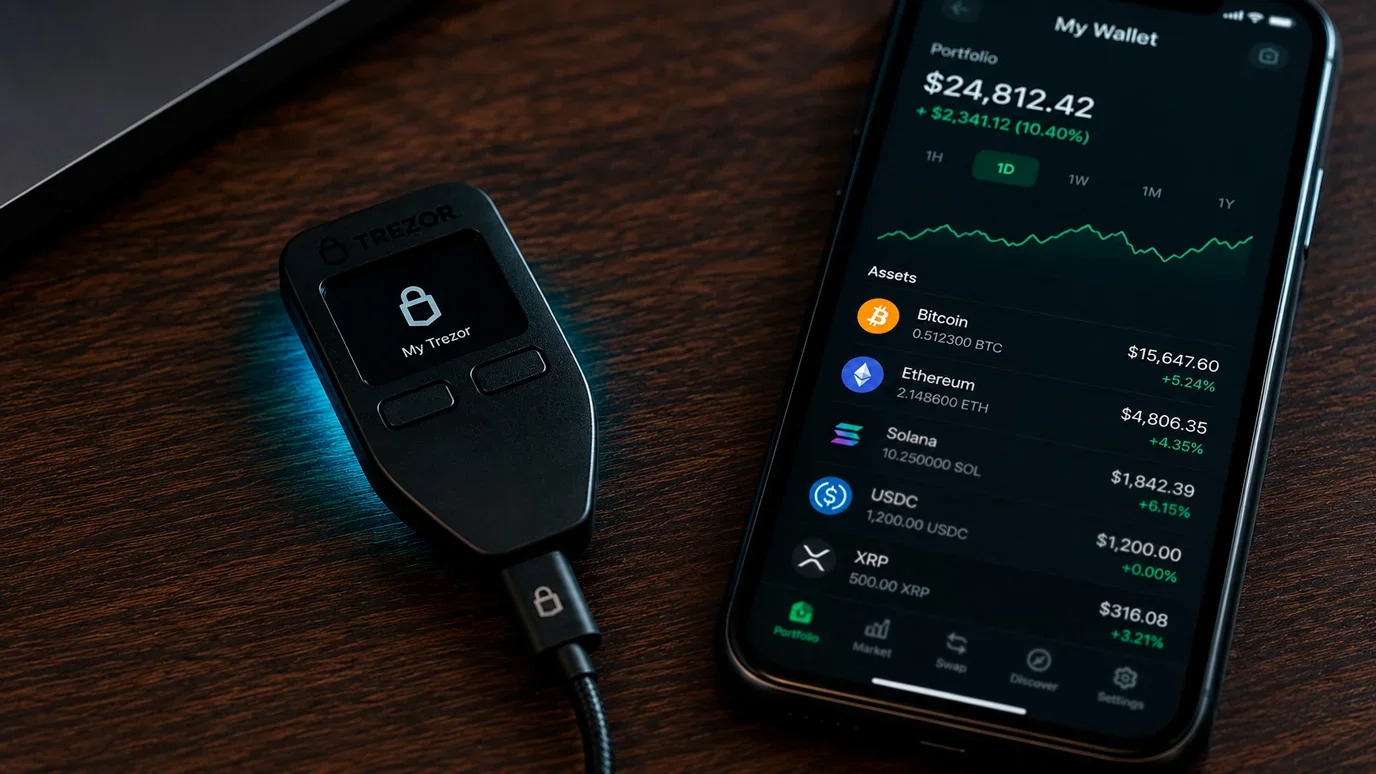
Three wallets. That is the setup I have refined over five NFL seasons of crypto betting, and each one serves a distinct purpose. A hardware wallet holds the bulk of my seasonal bankroll offline, where no hack or sportsbook failure can reach it. A software wallet on my phone handles weekly operational transfers — the funds moving between cold storage and sportsbooks. An exchange wallet bridges the crypto-fiat divide when it is time to convert winnings to sterling. Three wallets, three functions, zero overlap. When I explain this to bettors running everything through a single exchange account, I watch them realise how much unnecessary risk they have been carrying.
Hardware Wallets: Cold Storage for Your Betting Bankroll
A hardware wallet is a physical device — roughly the size of a USB stick — that stores your cryptocurrency’s private keys offline. Ledger and Trezor are the established brands, both offering devices in the 60-150 pound range. The key security property: your private keys never touch the internet. Transactions are signed on the device itself, and even if your computer is compromised by malware, the attacker cannot extract your keys from the hardware wallet.
For NFL betting specifically, the hardware wallet serves as your vault. I load my season’s bankroll onto the device before Week 1 and transfer out only what I need each week. The global crypto gambling market’s projected $65 billion by 2026 makes hardware security increasingly important — as the market grows, so does the incentive for sophisticated attacks targeting bettors’ holdings. Keeping 75-80% of your bankroll on hardware at any given time limits your exposure to both sportsbook failures and personal security compromises.
The practical friction of a hardware wallet is its chief drawback and its chief advantage simultaneously. Sending crypto requires physically connecting the device, entering a PIN, and confirming the transaction on the device screen. This takes 2-3 minutes — an eternity in crypto terms but precisely the kind of deliberate friction that prevents impulsive deposits. When you are tempted to top up your sportsbook balance at midnight after a bad Sunday, the hardware wallet sitting in a drawer across the room creates a cooling-off period that a hot wallet on your phone does not.
Software Wallets: The Operational Layer
Software wallets — apps on your phone or browser extensions on your computer — hold the crypto you plan to move within the next week. MetaMask (for Ethereum and EVM-compatible chains), Trust Wallet (multi-chain mobile), and Phantom (Solana) are the wallets I encounter most frequently among crypto bettors. They offer a balance of convenience and security: your keys are stored on your device, encrypted behind a password and optionally a biometric lock, but the device itself is online and therefore attackable.
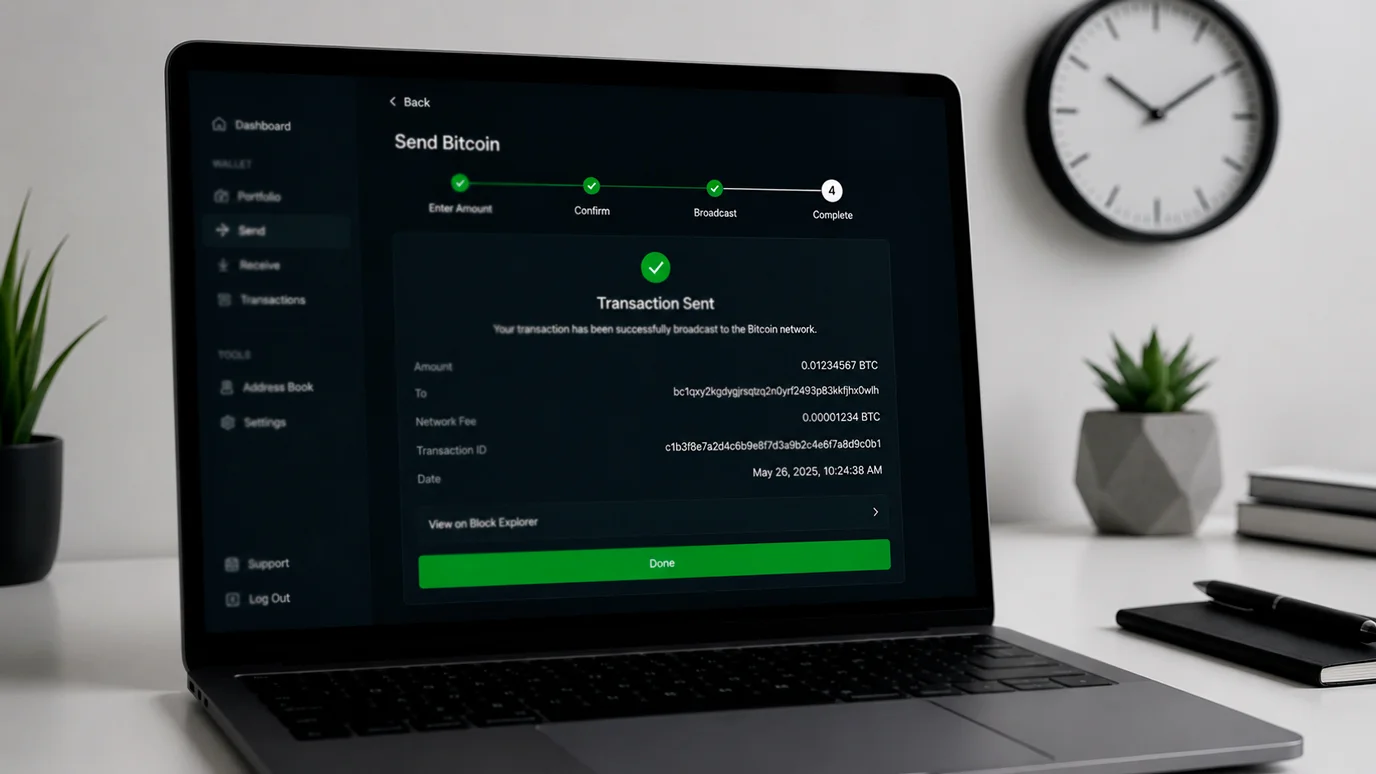
For a weekly NFL betting workflow, the software wallet acts as a staging area. Sunday night or Monday, I transfer that week’s wagering budget from hardware to software wallet. Through the week, I send deposits to my sportsbooks from the software wallet. After the weekend games settle, I withdraw winnings from sportsbooks back to the software wallet and transfer excess to the hardware wallet for cold storage. The cycle keeps my hot exposure limited to roughly one week’s betting volume.
The 8% of UK adults who hold crypto — approximately 4.5 million people — predominantly use exchange-based or software wallets. Among those who also bet on the NFL with crypto, the software wallet is the most common primary tool. Its weakness is device compromise: if your phone is stolen and your wallet is not properly secured with a strong PIN and biometric lock, the thief has access to your funds. Enabling all available security features and keeping a backup of your seed phrase (the 12 or 24 word recovery phrase) in a separate, secure location is the minimum standard. Never store your seed phrase digitally — not in a notes app, not in a screenshot, not in an email draft.
Exchange Wallets: The Fiat Bridge
UK-registered crypto exchanges provide the bridge between cryptocurrency and pounds sterling. When it is time to convert NFL winnings to GBP, you send crypto from your software wallet to your exchange account, execute the trade, and withdraw fiat to your bank. The exchange wallet exists solely for this conversion function — it should not hold funds longer than necessary.
Exchanges are custodial by definition: they hold your private keys, and you trust them not to lose or mismanage your funds. High-profile exchange collapses have demonstrated that this trust is not always warranted, even at seemingly reputable platforms. For a bettor using an exchange purely as a conversion tool — deposit crypto, sell, withdraw GBP within hours — the exposure window is brief and the risk is low. For someone parking their entire bankroll on an exchange for the season, the risk profile is substantially worse.
FCA-registered exchanges in the UK have passed regulatory compliance checks, which provides a baseline of operational standards that offshore entities do not match. The data-sharing agreements between UK exchanges and HMRC mean your transactions are visible to the tax authority, but since gambling winnings are tax-free and only the crypto appreciation triggers capital gains, this transparency is straightforward for a bettor who keeps clean records.
Wallet Selection by Betting Pattern
Your optimal wallet setup depends on how frequently you bet and in what volume. A casual bettor placing a few NFL wagers per month might manage fine with a single software wallet and an exchange account. A serious bettor placing multiple wagers weekly across several sportsbooks needs the three-wallet architecture I described, because the volume of transactions and the size of the bankroll justify the additional security overhead.
Network compatibility is a practical filter. If your preferred crypto sportsbooks accept USDT on TRC-20, your wallets need to support the Tron network. If you bet through Ethereum-based decentralised sportsbooks, you need an EVM-compatible wallet like MetaMask. Matching your wallet ecosystem to your sportsbook ecosystem before the NFL season starts avoids mid-season complications when you discover that your wallet does not support the network your sportsbook requires.
Backup and recovery planning is the piece most bettors skip. Your seed phrase is the only way to recover your funds if your device is lost, stolen, or destroyed. Store it on paper or metal — not digitally — in a location separate from your device. If you are storing a meaningful bankroll across an NFL season, the seed phrase is worth the same care you would give a physical safe deposit key. Crypto betting wagers have increased 83.6% since mid-2022, and the bettors entering this growing market without a recovery plan are one device failure away from losing everything they have built.
Do I need a hardware wallet for crypto NFL betting?
A hardware wallet is strongly recommended for any bettor storing more than a few hundred pounds in cryptocurrency. It keeps the bulk of your bankroll offline and immune to online attacks. For casual bettors with small balances, a well-secured software wallet with 2FA and biometric protection provides adequate security, though a hardware wallet remains the gold standard.
Can I send crypto directly from an exchange to a sportsbook?
Technically yes, but it is not recommended. Some exchanges flag or delay withdrawals to known gambling addresses. Routing through a personal wallet avoids this issue and simplifies the exchange’s compliance checks. The additional transfer costs a small network fee but eliminates the risk of a frozen exchange withdrawal.
Learn more about crypto nfl betting on our main page.
You may also find NFL Betting Staking Plans for Crypto: Flat, Percentage, and Confidence-Based Models interesting.
Written by the editors at Crypto nfl Betting.