Crypto Sportsbook Withdrawal Speed: Processing Times, Delays, and Red Flags
 Available in US
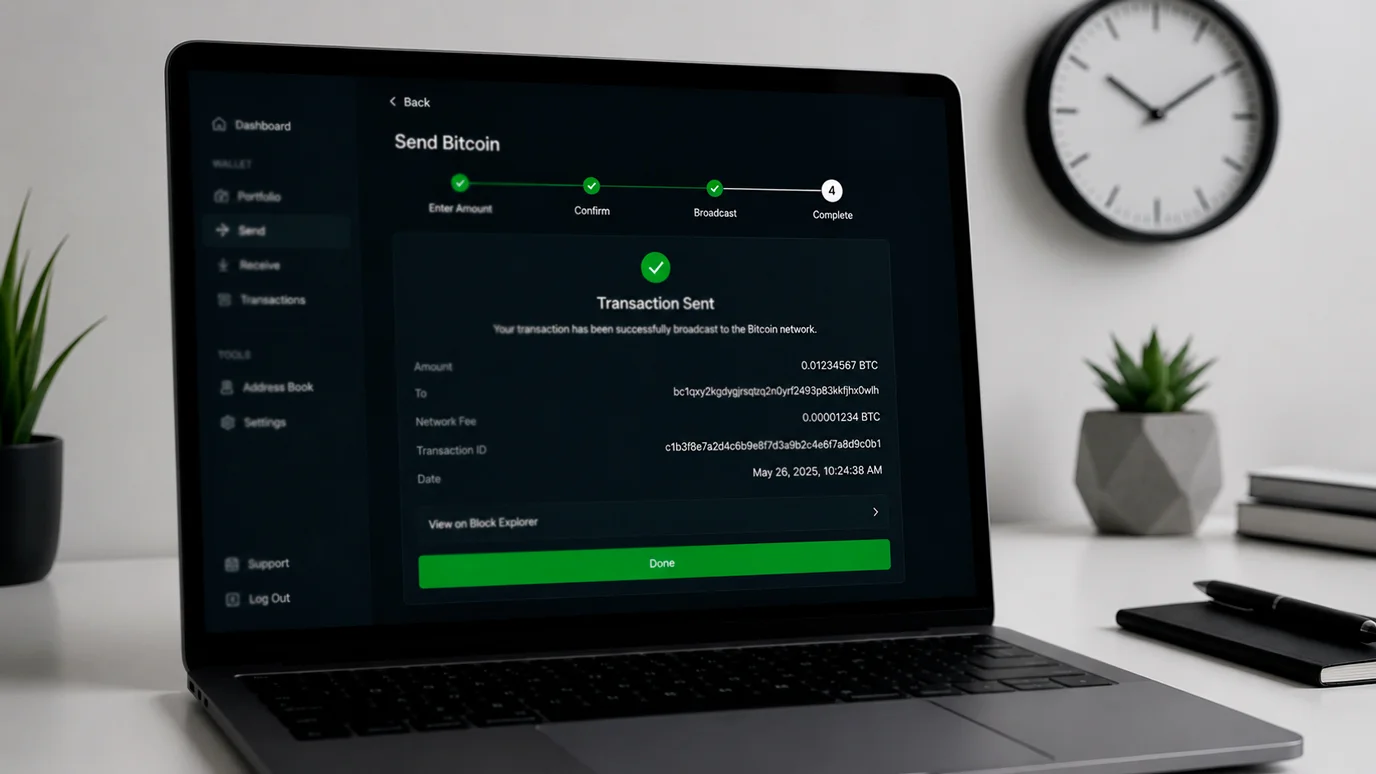
The fastest crypto withdrawal I have received from a sportsbook took four minutes from the moment I clicked “withdraw” to the funds appearing in my wallet. The slowest took eleven days — and three increasingly terse live chat exchanges — before the Bitcoin finally moved. That range tells you everything about the current state of crypto sportsbook withdrawals: the technology can be instant, but the operator sitting between you and your money determines whether it is.
Crypto betting wagers have surged by 83.6% since mid-2022, pulling millions of new users into platforms where withdrawal speed is marketed as a key differentiator. The reality behind those marketing claims deserves a closer look, particularly for UK bettors who lack the regulatory protections that would hold a UKGC-licensed operator accountable for payout delays.
What Determines Crypto Withdrawal Processing Time
I had a conversation with a fellow bettor last year who was furious that his Bitcoin withdrawal was “taking forever” after twenty minutes. He had confused two separate processes that happen sequentially: the sportsbook’s internal processing, and the blockchain confirmation. Understanding both is essential for setting realistic expectations.
The sportsbook’s internal processing is the variable you cannot control. When you request a withdrawal, the platform runs its own checks: verifying your account status, confirming wagering requirements are met, screening for fraud indicators, and queuing the transaction for release. At the best crypto sportsbooks, this process is automated and completes in under five minutes. At others, every withdrawal above a certain threshold triggers manual review by a human compliance team — and those teams do not work around the clock.
Blockchain confirmation time is the second stage, and it depends on which cryptocurrency you withdraw. Bitcoin on the base layer requires miners to include your transaction in a block, which averages ten minutes per block but can stretch to an hour or more during network congestion. Ethereum confirmation takes roughly twelve seconds per block but depends on gas fees — underpay and your transaction sits in the mempool. USDT on TRC-20 confirms in seconds. Lightning Network Bitcoin settles almost instantly. The network you choose shapes the second half of your withdrawal timeline.
The interaction between these two stages is where confusion arises. A sportsbook might advertise “instant crypto withdrawals” when what they mean is that the blockchain part is fast. If their internal review takes four hours before the transaction even hits the chain, the “instant” claim is technically accurate and practically meaningless.
Typical Processing Windows by Cryptocurrency
After tracking withdrawal times across nine crypto sportsbooks over two NFL seasons, I can offer benchmarks that reflect real-world performance rather than marketing promises. Bitcoin on-chain withdrawals, from request to wallet arrival, take 15 minutes to 4 hours at reputable platforms during non-peak periods. During busy times — playoff weekends, Super Bowl week — that window stretches to 6-12 hours at mid-tier operators. The sportsbook processing is the bottleneck, not the blockchain.
USDT withdrawals via TRC-20 represent the current speed benchmark. Internal processing aside, the blockchain component adds seconds rather than minutes. I consistently see total withdrawal times of 5 to 30 minutes at platforms that process TRC-20 efficiently, which makes it my default withdrawal method. ERC-20 USDT adds Ethereum gas variability on top of the processing time, pushing the total higher and making it less predictable.
Ethereum withdrawals fall somewhere between BTC and TRC-20 USDT in practice. The chain confirms quickly, but sportsbooks sometimes batch Ethereum withdrawals to save on gas costs, which introduces a delay of 30 to 90 minutes while they accumulate enough outbound transactions to justify a batch send. This is operationally sensible from the sportsbook’s perspective but opaque from the bettor’s side — you see “processing” with no indication of why.
Litecoin, which commands roughly 6% of crypto gambling volume, confirms blocks every 2.5 minutes and carries lower fees than Bitcoin. For bettors who want faster-than-BTC but prefer a well-established chain, LTC withdrawals typically complete in 10 to 45 minutes including sportsbook processing. It does not get the attention that Bitcoin or stablecoins receive, but for withdrawal speed it occupies a practical middle ground.
Red Flags That Signal Withdrawal Problems
Eleven years analysing offshore gambling operations have given me a reliable nose for withdrawal red flags, and I want to be direct about what they are. A sportsbook that processes your deposit in seconds but takes 48 hours to process a withdrawal is not experiencing a technical delay — it is operating a float. Your deposited funds are being used, and the delay is by design.
The first red flag is changing KYC requirements at the point of withdrawal. You deposited without any identity check, placed bets for weeks, and the moment you try to withdraw, the platform demands a passport scan, proof of address, and a selfie holding your ID. Some KYC at withdrawal is legitimate — many Curaçao-licensed operators apply tiered verification at certain thresholds. But if the requirements were never disclosed during onboarding, or if the threshold has quietly been lowered since you signed up, the pattern suggests a platform engineering friction to discourage payouts.
Rising withdrawal minimums are another signal. A sportsbook that raised its minimum Bitcoin withdrawal from 0.001 BTC to 0.005 BTC without announcement is increasing the barrier to cash out. For a recreational bettor with a few hundred dollars in winnings, that higher minimum might lock their funds into the platform until they accumulate more — which means placing more bets, which means more exposure to the house edge.
The UK’s unlicensed gambling market has expanded to an estimated 1.5 million users wagering roughly 10 billion pounds annually on offshore platforms, and withdrawal manipulation is one of the mechanisms that keeps that money circulating within the offshore ecosystem. A sportsbook that makes deposits frictionless and withdrawals difficult is optimised for retention at the expense of fairness. The 26 million pound Illegal Gambling Taskforce targets operators engaging in exactly these practices, but enforcement moves slowly across jurisdictions.
Protecting Your Withdrawal Rights as a UK Crypto Bettor
I follow a set of practices that have saved me from withdrawal headaches repeatedly, and they boil down to testing early and documenting everything. Before committing significant funds to any crypto sportsbook, I make a small deposit, place a qualifying bet, and immediately request a withdrawal. The speed and smoothness of that test withdrawal tells me more about the platform’s operational integrity than any review site ever could.
Screenshotting withdrawal requests with timestamps is a habit I adopted after an operator claimed my withdrawal request had “never been received.” The blockchain is immutable, but the sportsbook’s internal records are not. Having your own documentation — including live chat transcripts where support confirms processing — creates a paper trail that is useful if disputes escalate.
Withdrawal frequency matters too. Rather than accumulating a large balance and withdrawing once, I pull profits weekly during the NFL season. Smaller, regular withdrawals are processed faster at most platforms, avoid triggering enhanced KYC thresholds, and limit your exposure to counterparty risk. If a sportsbook fails between your deposit and withdrawal, you lose whatever balance remains on the platform. Keeping that balance lean is a risk management fundamental that too many crypto bettors neglect.
The platforms that consistently process withdrawals quickly earn my repeat business, and those that do not get dropped from my rotation without a second chance. In a market where 40% of sportsbooks accept crypto, there is no shortage of alternatives. Speed of withdrawals is the single most reliable proxy for operator quality that I have found across nearly a decade of testing these platforms.
How long do crypto sportsbook withdrawals typically take?
Processing times vary by cryptocurrency and platform. USDT via TRC-20 typically completes in 5 to 30 minutes total. On-chain Bitcoin withdrawals take 15 minutes to 4 hours at reputable platforms and can stretch longer during peak periods. The sportsbook’s internal processing — not the blockchain — is usually the bottleneck.
What should I do if a crypto sportsbook delays my withdrawal?
Contact customer support immediately and document the interaction with screenshots. If the delay exceeds the platform’s stated processing time, escalate through all available channels. For future protection, test withdrawals with small amounts before committing larger funds, withdraw profits regularly rather than accumulating large balances, and keep records of all withdrawal requests with timestamps.
Learn more about crypto nfl betting on our main page.
You may also find Crypto Super Bowl Betting: Market Data, Prop Bets, and UK Access interesting.
Created by the ”Crypto nfl Betting” editorial team.