NFL Crypto Betting UK Legality: What the Law Actually Says
 Available in US
Every month someone sends me a variation of the same question: “Is it legal for me to bet on the NFL with Bitcoin from the UK?” The answer is not the clean yes or no they want. It sits in a grey zone created by legislation that predates cryptocurrency by decades, a regulator that is actively exploring but has not yet acted, and an enforcement posture that targets operators rather than individual bettors. After nine years of tracking this intersection, I can walk through the framework — but I should be clear up front that this is not legal advice, and the landscape is shifting.
The Gambling Act 2005 and Where Crypto Fits
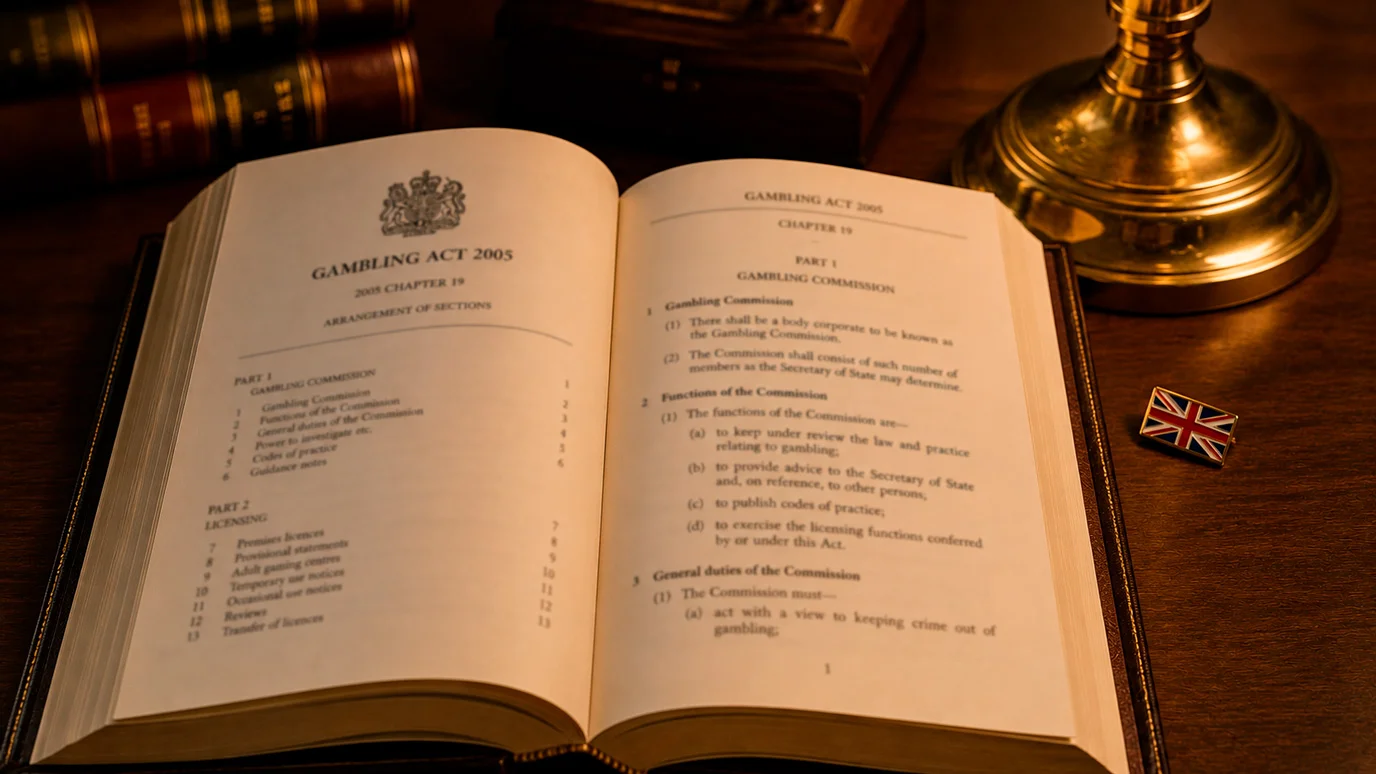
The Gambling Act 2005 is the bedrock of UK gambling regulation, and it was drafted in an era when Bitcoin did not exist and the idea of placing a bet with a cryptographic token would have sounded like science fiction. The Act regulates gambling activities within Great Britain, creates the licensing framework administered by the UK Gambling Commission, and establishes offences related to providing gambling services without a licence.
The critical nuance for individual bettors: the Act places the legal burden on the operator, not the punter. It is an offence to provide gambling facilities without a UKGC licence to persons in Great Britain. It is not, under the current framework, an offence for a UK resident to place a bet with an unlicensed offshore operator. That asymmetry is deliberate — the legislation targets the supply side. As a UK bettor placing an NFL wager with Bitcoin at an offshore sportsbook, you are not committing a criminal offence under the Gambling Act.
That said, “not criminal” is not synonymous with “without consequence.” The UK generates 16.8 billion pounds in gross gambling yield from remote betting annually, and the regulatory architecture is designed to keep that activity within the licensed ecosystem. Using offshore platforms means stepping outside every protection that ecosystem provides — dispute resolution, financial safeguards, responsible gambling interventions, and data protection. The legal position protects you from prosecution; it does not protect your funds.
The UKGC Position on Cryptocurrency Payments
No UK Gambling Commission-licensed operator accepts cryptocurrency as a payment method. This is the single most important fact in the legality discussion, and it creates the entire dynamic that pushes UK crypto bettors toward offshore platforms. The UKGC has not issued an outright ban on crypto payments, but the practical effect of its current licensing conditions is the same — operators cannot integrate crypto without risking their licence.
The Commission’s position has been evolving. Its Executive Director, Tim Miller, acknowledged at the Betting and Gaming Council’s 2026 AGM that crypto is one of the two biggest search terms directing British consumers to unlicensed gambling sites. That recognition matters because it frames the issue as a consumer protection problem rather than a prohibition to be enforced. Miller went further, suggesting the Commission should approach crypto innovation in a spirit of exploring possibilities rather than defaulting to reasons not to act.
The Industry Forum — a collaborative body involving the UKGC, operators, and technology providers — is actively exploring what a regulated crypto payment pathway could look like within the existing licensing framework. The timeline connects to the FCA’s incoming cryptoasset regulatory regime, expected to be operational by 25 October 2027. That date represents a potential inflection point: once the FCA has a regulatory framework for cryptoassets, the UKGC has a foundation upon which to build crypto-specific gambling payment conditions.
Until that framework materialises, the status quo persists. UK bettors who want to use crypto for NFL wagering must use offshore platforms, and those platforms operate outside UK regulatory oversight. The Commission’s direction of travel suggests change is coming, but regulatory timelines in the UK gambling sector have a history of slipping.
FCA Regulation, Anti-Money Laundering, and the Financial Layer
The Financial Conduct Authority’s role in crypto betting legality is indirect but consequential. The FCA does not regulate gambling, but it regulates the financial instruments and payment methods that gambling platforms use. The Financial Services and Markets Act 2000 (Cryptoassets) Regulations 2025 brought cryptoassets within the FCA’s regulatory perimeter, creating authorisation requirements for firms offering crypto services to UK consumers.
For a UK bettor, the FCA’s regulations affect the on-ramps and off-ramps. Buying crypto from an FCA-registered exchange — the step before depositing at a sportsbook — is a regulated activity subject to KYC and AML checks. Selling crypto back to GBP after withdrawing from a sportsbook passes through the same regulated gateway. The betting activity in between, at an offshore sportsbook, sits outside FCA jurisdiction. But the financial bookends are regulated, which means your crypto-to-fiat conversions create data that UK authorities can access.
Anti-money laundering obligations flow from this structure. UK crypto exchanges report suspicious activity to the National Crime Agency. Large or unusual patterns of deposits and withdrawals between personal wallets and known gambling addresses can trigger scrutiny. Eight percent of UK adults hold cryptoassets, and the FCA’s consumer research indicates that younger demographics are disproportionately represented among crypto holders — the same demographics most active in online sports betting. The regulatory apparatus is watching the intersection, even if enforcement has not yet focused on individual bettors.
The Black Market Dimension and Government Response
The legality discussion cannot be separated from the scale of the unlicensed market that crypto enables. An estimated 1.5 million people in the UK place roughly 10 billion pounds annually at unlicensed offshore gambling sites. That figure has grown from 0.5% of total gambling turnover to 10-12% in five years — a 345% increase in unlicensed gambling revenue over a comparable period. The UK government responded in 2026 with a 26 million pound Illegal Gambling Taskforce specifically targeting offshore operators.
The Taskforce focuses on disrupting the supply side: identifying operators serving UK customers without a licence, working with payment processors to block transactions, and cooperating with foreign regulators to pursue enforcement actions. Individual bettors are not the primary target, but the operational environment is tightening. Payment channel disruptions can freeze funds in transit, and operators under pressure from enforcement may restrict UK-facing services abruptly — leaving bettors with balances they cannot withdraw.
Gambling Commission CEO Andrew Rhodes framed the broader crypto question as requiring “government-level discussion,” noting that accepting crypto as a payment method raises fundamental questions about source of funds and source of wealth — the same AML considerations that traditional financial services must address. His characterisation of it as a door that “cannot be closed” once opened suggests the regulatory approach will be cautious and phased rather than a sudden green light for crypto betting.
Where This Leaves UK NFL Crypto Bettors in 2026
The legal position for UK residents betting on the NFL with cryptocurrency in 2026 is this: it is not a criminal offence, but it takes place entirely outside the regulated framework that protects UK consumers. The Gambling Act does not target individual bettors. The UKGC does not currently license crypto-accepting operators. The FCA regulates the financial transactions around crypto but not the betting itself. And the government is actively working to shrink the unlicensed market through enforcement rather than through criminalising individual participation.
Practically, this means UK crypto bettors operate in a space with full legal access but zero regulatory safety net. If an offshore sportsbook mishandles your funds, there is no ombudsman to call. If your account is frozen without explanation, there is no licensing condition to invoke. The legal freedom to bet is real; the protections that normally accompany legal gambling are absent.
The 2027 FCA regulatory deadline represents the earliest realistic point at which the UKGC might introduce crypto-compatible licensing conditions. Whether that timeline holds, and what the resulting framework looks like, remains speculative. In the interim, UK bettors using crypto for NFL wagering should understand the legal framework clearly: you are not breaking the law, but you are betting outside the system designed to keep you safe.
Is it illegal for a UK resident to bet on the NFL with cryptocurrency?
No. Under the Gambling Act 2005, the legal burden falls on the operator providing gambling services, not the individual bettor. Placing a bet with an unlicensed offshore crypto sportsbook is not a criminal offence for a UK resident. However, doing so means you forfeit all consumer protections available through the UKGC-regulated framework, including dispute resolution and responsible gambling safeguards.
Will UKGC-licensed bookmakers ever accept Bitcoin deposits?
The UKGC is actively exploring a regulated pathway for cryptocurrency payments through its Industry Forum. The timeline depends on the FCA’s incoming cryptoasset regulatory regime, expected by October 2027. If and when a framework is established, UKGC-licensed operators could potentially integrate crypto payments under new licensing conditions. No specific date has been confirmed.
Learn more about crypto nfl betting on our main page.
You may also find NFL Draft Crypto Betting: Markets, Odds, and Off-Season Wagering interesting.
Written by the editors at Crypto nfl Betting.